The time for New Year resolutions is in the rearview, yet it feels like yesterday that I was trading writing (and non-writing) highlights and lowlights from 2025—while picking goals for 2026—with WOW! founding editor, Angela Mackintosh.
I had shared with Ang, at the time, some thrilling news I’d gotten in late October. I’d received a request from an independent publisher for the full manuscript of my memoir, and had allowed myself to dream that I might actually exit 2025 with a book contract. The balloon popped six weeks later when a “no” landed in my inbox. Despite this, Ang believed the request for a full belonged in my yearly Wins column, though I’d been quick to relegate it to the Losses column. I’d done something right, she reminded me, to get that far.
Many querying memoirists share the feeling that the door to traditional publishing seems bolted shut. A column about that reality isn’t, therefore, “breaking news.” But while the topic isn’t new, there’s always room to curate fresh perspectives through a lens appropriate for today’s querying writers. We spoke with three professionals to ask their viewpoints on the state of memoir publishing, as we move through 2026.
*
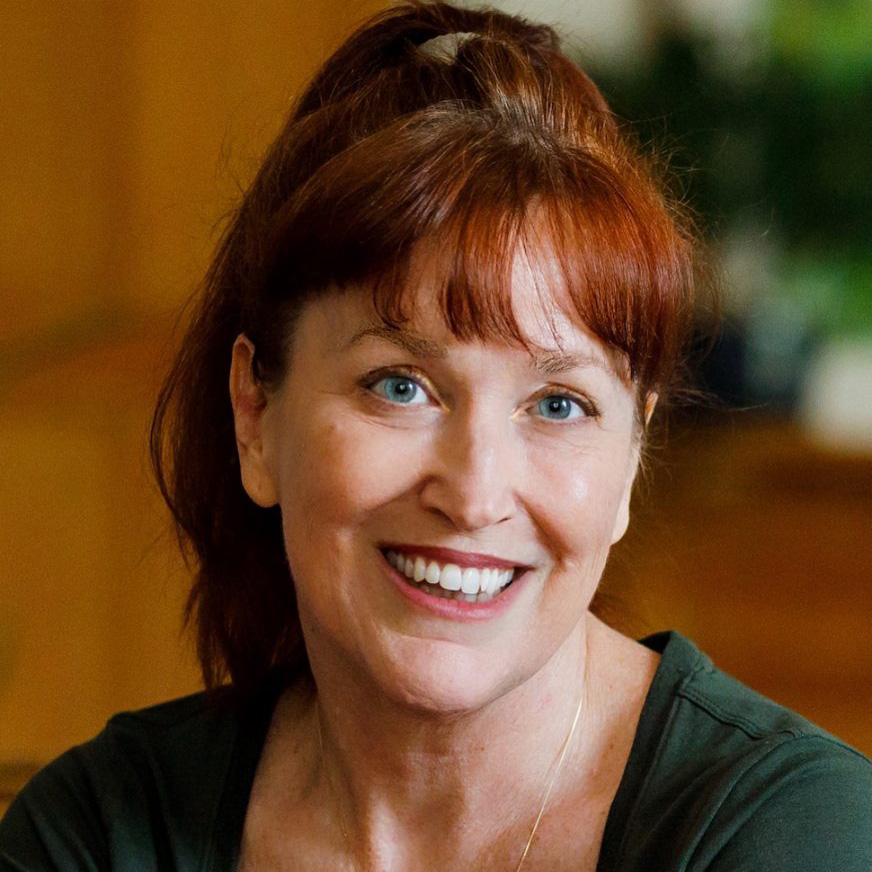
Allison K Williams is the author of Seven Drafts: Self-Edit Like a Pro From Blank Page to Book. She has edited and coached writers to publishing deals with Big Five, independent, and literary presses, and The New York Times and USA Today bestseller lists. She’s helped writers publish in The New Yorker, Time, The Guardian, The New York Times, McSweeney’s, and more. Her own writing has appeared in/on National Public Radio, CBC-Canada, The New York Times, Writers Digest, Creative Nonfiction, and more. Allison is managing editor of The Brevity Blog.
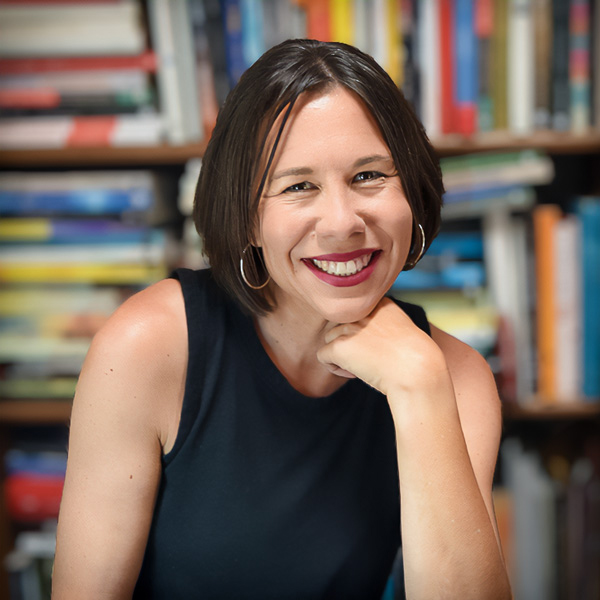
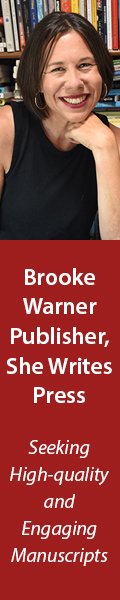
Brooke Warner is publisher of She Writes Press, and a former executive editor of Seal Press. She has taught memoir in person and online since 2012, often with Linda Joy Myers of the National Association of Memoir Writers. Brooke has seen hundreds of memoirs through to publication through her coaching and publishing endeavors, and writes a weekly Substack newsletter, Writerly Things.
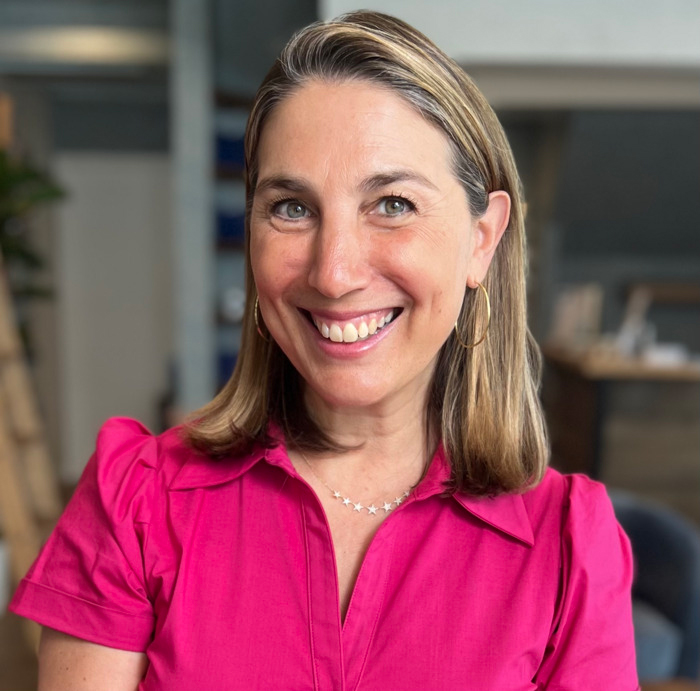
Zibby Owens is an author, podcaster, bookstore owner, and publisher of Zibby Books. She hosts the award-winning daily podcast Totally Booked with Zibby, where she interviews today’s bestselling, buzziest, or underrated authors whose work she thinks is worth your time. Looking for a virtual book club? Join Zibby’s Book Club.
WOW: Welcome, everyone, thanks for joining us! We’re keeping our Q&A a bit tighter this time, since we have multiple interviewees; just a handful of questions Angela and I have been mulling recently. Since we’ve all read our fair share of advice on query letter tips and book proposal best practices, let’s focus instead on the heartbeat of story, craft, and how memoirists are realizing their publication dreams.
First off, what kinds of memoirs have you seen breaking through recently, and how has the timeliness of these stories played into their success?
Allison: Being willing to respond in the moment is key. Some authors I work with have been writing for several years, then hustled to finish a manuscript and start querying while the cultural moment was hot, or wrote an essay to respond to breaking news, like Mimi Nichter’s essay in Newsweek in 2023. She wrote it within 24 hours after the October 7 events, and that built public presence for her recently-published Hostage: A Memoir of Terrorism, Trauma, and Resilience. Writers, keep an eye on the news, and if something intersects with your memoir, write faster!
Zibby: I’m beyond thrilled that Strangers: A Memoir of Marriage by Belle Burden debuted at #1 on The New York Times bestseller list. The memoirs really breaking through are a mix of deeply personal stories from notables, especially about their interior lives like their marriage and family, or the standby celebrity memoirs which always find an audience.
Brooke: As has always been true, the memoirs that are really breaking out lately are written by well-known people. Over just a few months, we’ve had memoirs by Kamala Harris, Elizabeth Gilbert, Molly Jong-Fast, and as Zibby mentioned, most recently Belle Burden. The kind of fame each of these people has is fairly different, but undoubtedly being the former VP, being a person who’s been in the public eye as a major writer for years, and then writers who have noteworthy families—these are the factors that play into what breaks out.
From my more humble place at She Writes Press, however, we’ve had a couple big breaks in the past months: Dumb Girl: A Journey from Childhood Abuse to Gun Control Advocacy, by Heidi Yewman, and Bright Eyes: Surviving Our Monsters and Learning to Live Without Them, by Bridey Thelen-Heidel. These are very different stories, but there is trauma at the heart of both. What makes these books find their readers is the story itself, how the book gets positioned, and the author’s tirelessness in promoting.
If we’re speaking to the big-name people, they don’t have to really do all that much to be successful in the ways that debut memoirists do. So the answer to our authors’ success is truly in their passion for their stories, and their all-out promotion. It’s hard, because writing is such a solitary experience and then, post-publication, you have to be hustling. I do think the hustlers show who they are pretty quickly and because of their efforts (and those of their publicists), they really can break out.
“Weaving in research, historic events, or another topic that readers didn’t even know they’d be fascinated by, elevates a memoir from diary to cultural document.”
WOW: How might a memoirist take her narrative—for example, on illness, addiction, coming-of-age, or travel, all of which are common topics—and create an angle to elevate it beyond a simple recounting of events, to ensure universal resonance?
Zibby: There has to be something unique about the memoir. It doesn’t have to take a radically new form, but something has to be different enough to capture the reader’s attention. Is it exceptional prose? A new format? Something truly dishy? There’s a famous quote about the more specific you get, the more universal it becomes. I honestly think the writing has to be the main distinguishing factor.
Brooke: It’s a great question and not the easiest to execute. More and more these days we’re seeing fragmented memoirs, meaning that the structure is not limited by chronology. I think symbols are always a good way in. I mentioned Belle Burden’s book, and she uses ospreys that have a nest on her property as a metaphor that she comes back to again and again. The universal is in the writing. Some writers just really struggle with how to do that, which is why I recommend classes and lots and lots of reading in your genre, to begin to notice the universal moments, the takeaways. It’s critical to have that kind of writing in a memoir.
Allison: The “so what?” factor is always there: why should anyone not related to you care about your story? Weaving in research, historic events, or another topic that readers didn’t even know they’d be fascinated by, elevates a memoir from diary to cultural document. If you’re caring for a sick child, what do we all need to know about parents as medical activists? If you’re writing about your mom, what’s the mystery behind how she behaved that will fascinate readers and teach them something about their own parent-child relationships?
Also, it’s easier than ever to create a quality self-published book. If you need a book-length eulogy for your partner, or a diary of your travels, because you want to remember and process and share, that’s a fine path to take. Not every story needs a traditional publishing deal to be worth telling.
WOW: I mentioned we wouldn’t get into book proposals, but here’s a slight detour. What do you think it takes to successfully market a memoir today? Please share a successful marketing example that stands out in your mind.
Brooke: I don’t think there’s one single strategy, I believe it’s all the things happening at once. But I will give a shout-out to She Writes Press author Andrea Leeb, who wrote a memoir called Such a Pretty Picture. Andrea really pulled out all the stops with an ambitious marketing and publicity plan, and it worked. She had lots of media and hit the USA Today bestseller list. Andrea was also out there publicly, as an advocate for survivors of sexual abuse. She did a book tour and had lots of speaking engagements, and put in the work to get her book in venues big and small, including writers’ festivals, book clubs, and more. I think authors have to brainstorm all the things they could do—maybe in tandem with a publicist—and then just start executing. There’s a lot to do, undoubtedly.
Zibby: I think the author is a huge piece of the puzzle, though not necessarily follower count. The author has to have that certain something that pulls people in, and will be on the road and on social, marketing the book. Is it someone you want to spend time with? There are no tricks. It’s about communicating clearly what the author brings to the table, across many dimensions.
Allison: No matter how good your book is, you will need to market. And that means learning who your audience is, where those readers get their information, and how you can add to the conversation, whether that’s speaking or posting on social media or publishing essays.
Memoirist Ashleigh Renard, who self-published Swing: A Memoir of Doing It All, went all-in on giving advice and sharing her personal experiences on Instagram and TikTok because her audience—women in unfulfilling marriages—were scrolling. She partnered with a local indie bookstore and encouraged her audience to order signed copies from that store, no matter where they lived. She educated her audience about why pre-orders matter. And her self-published book debuted as an Amazon bestseller because she showed up online, every day, for a year before the book came out. She became her readers’ friend-with-the-best-advice.
“There has to be something unique ... to capture the reader’s attention. Is it exceptional prose? A new format? Something truly dishy?”
WOW: As we look at the state of memoir publishing in 2026, what excites you?
Allison: That celebrity memoirs are focusing on a personal journey rather than the journey to fame. Jennette McCurdy and Vicky Nguyen have big platforms, but their books are truly memoir, not autobiography, and that helps create reader appetite for more stories like theirs, by non-famous people.
Zibby: All the stories I’m going to hear, and everything I’ll learn from them.
Brooke: Good question, because things are all around hard right now, but I’m excited by the movement and momentum of the memoir genre. More and more people are gravitating toward it. I teach very full memoir classes and the industry, for all its issues with memoir, is stepping up and publishing more. Memoirists are also seeking other alternatives beyond traditional publishing. So we’re seeing a lot of hybrid-published memoirs, and self-published memoirs. I’m just happy to see so many people committed to this genre and writing books that help the writer and help the reader.
WOW: How do you see AI affecting memoir writing or publishing?
Zibby: Oh boy. It remains to be seen. The other day I asked ChatGPT for an essay in the style of Zibby Owens and to be honest, it was pretty close. I worry about the implications of that. Voice, too!
Brooke: Ugh, my least-favorite thing: AI. People are for sure putting their work into AI and letting AI clean it up for them. I think this is okay if you’re a technical writer, but when it comes to creative writing, I think AI is ruinous. It creates a situation where just because it’s there, it’s tempting to use. But creative writing should be wrangled within one’s own mind. I also, sadly, see a lot of submissions to She Writes Press that are either obviously AI-enhanced, or the writers are so lazy they don’t even proofread their work before submitting, so there are AI prompts embedded in the submission. I am a purist, for sure, but I believe in the power of the written word as self-expression, not the written word as computer-generated or -enhanced, and I and others like me will never be able to get over the fact that these LLMs were trained on stolen works. I don’t know if there will be a reckoning about all of this someday, but I sure hope so.
Allison: Truly personal writing, and an author’s voice, are more important than ever before. Just as vinyl records and corsets are now high-dollar luxury items, human writing will also be valued and appreciated. Meanwhile, Claude can generate a schedule and format for my marketing emails for a year, so that I can write the essays and newsletters that require my creative, thinking brain. We can focus on speaking to our readers, instead of making calendars.
“I’m excited by the movement and momentum of the memoir genre. More and more people are gravitating toward it. I teach very full memoir classes and the industry, for all its issues with memoir, is stepping up and publishing more.”
WOW: Let’s end with this: What’s one misconception about memoir publishing that you wish writers would let go of?
Brooke: Anything to do with feeling bad about what you’re doing—let go. I work with so many memoirists who feel so much shame and so much resistance in their own writing due to embarrassment or vulnerability or fear. I’m not suggesting denying these feelings, and you can’t(!), but I also think the more memoirists hem and haw and even articulate out loud that they feel bad about the genre they’re writing in, it’s a self-fulfilling prophecy. Memoirists, hold your heads high. It is the bravest genre anyone can tackle. It’s scary as all get-out, for sure, and importantly, every story matters. Our stories help us make sense of our own lives, and they help others, too, in the form of showing people that they’re not alone. Memoir is a unique genre in this way, and I always want to encourage writers I work with to celebrate your efforts and to keep going!
Allison: Wanting to tell your story and wanting to be a writer are two different but complementary goals. If you have only one story to tell, it can be worth spending money on professional editing and self- or hybrid publishing to speed up the process and get a book in your hands. But if you want to be a writer, that means learning skills that take time, and confronting a lot more missteps along the way. Happily, there’s a beautiful literary community out there, ready to support, befriend, and share information with you.
Zibby: Not every memoir deserves to be commercially published. Some are great, but totally fine to be self-published and sent to friends and family. There’s absolutely nothing wrong with that. Getting traditionally published isn’t the right path for most memoirs. Think about who and why you’re writing the book, and pour your heart out.
Many thanks to our three guests this month. Taken together, we hope their insights offer WOW! readers a clearer picture of how memoir is being evaluated, at least partially, in 2026. Keep the faith, fellow querying memoirists! I’m right beside you, in the trenches. Onward!
***
Ann Kathryn Kelly is a memoirist and essayist living in New Hampshire’s Seacoast region. Her prize-winning writing has been published in dozens of literary journals and anthologies, and she has been awarded writing residencies around the world. Ann is a columnist with WOW! Women on Writing and she volunteers as a writing workshop leader. Visit her creative writing website. Ann also writes professionally for technology companies through her LLC, Pen on Demand.