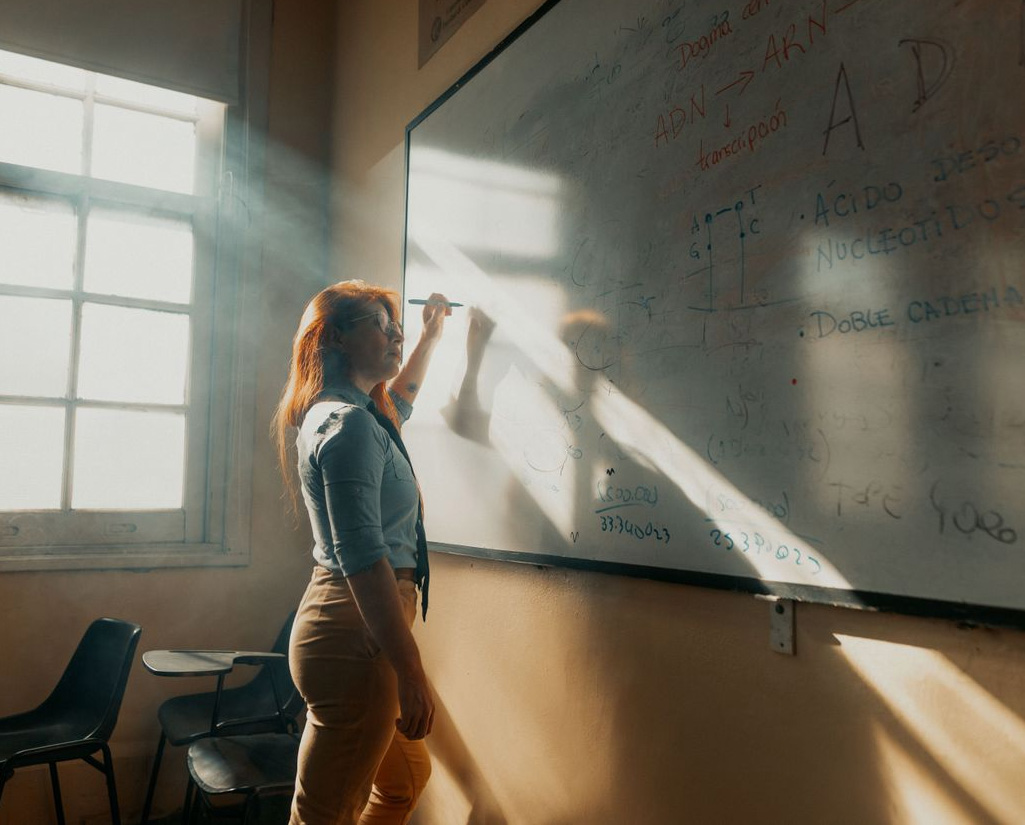
Education is often described as the key to opportunity, but for much of history, that key was not equally available to everyone. Women across generations fought against legal barriers, cultural expectations, and social discrimination to gain access to schools, colleges, and universities. Their persistence transformed education from an exclusive privilege into a more inclusive pathway for personal and professional growth.
Today, college learners in the United States benefit from opportunities that exist because of these pioneers. From expanding access for women and girls to advocating for equal educational rights regardless of race or background, these trailblazers reshaped classrooms and campuses for future generations.
This article explores the remarkable women who changed the educational landscape and the lasting lessons their work offers for today's academic community.
Why Education Was Once Out of Reach
For centuries, formal education was reserved primarily for men. Women were expected to focus on domestic responsibilities, while higher education and professional careers remained largely inaccessible.
Even when schools accepted female learners, the curriculum often excluded subjects like mathematics, science, law, or politics. Higher education institutions frequently refused admission altogether, arguing that women were unsuited for advanced study.
The barriers extended beyond gender. Women from marginalized racial and economic backgrounds faced even greater obstacles, including segregation, discrimination, and limited financial resources.
The gradual expansion of educational access happened because courageous individuals challenged these norms. Their advocacy influenced legislation, inspired new institutions, and encouraged society to rethink who deserved an education.
Although educational opportunities have expanded dramatically, balancing college responsibilities can still be challenging. Many women today juggle demanding course loads alongside part-time jobs, internships, family commitments, or caregiving responsibilities. Unlike previous generations, they no longer have to fight for the right to attend college, but they may still face obstacles that make completing every assignment on time difficult. When workloads become overwhelming, some choose to order essay online from PapersOwl - a reputable writing service. Professional assistance can help learners better understand complex topics, improve their writing skills, and organize research more effectively while allowing them to stay on top of multiple deadlines.
Mary McLeod Bethune: Building Opportunity Through Education
One of America's most influential educational leaders was Mary McLeod Bethune. Born to formerly enslaved parents, she understood firsthand how education could change lives.
In 1904, Bethune founded a school for African American girls in Florida with only a handful of learners and minimal resources. That institution eventually became Bethune-Cookman University.
Her vision extended beyond teaching academic subjects. She believed education should empower people to become community leaders, entrepreneurs, and advocates for social progress.
Bethune also advised several U.S. presidents and worked tirelessly to expand educational opportunities for African Americans during segregation. Her leadership demonstrated that schools could become engines of social change rather than simply places to memorize facts.
Modern colleges continue to reflect many of the principles she championed, including community engagement, leadership development, and equal access to learning.
Emma Willard and the Fight for Higher Learning
In the early nineteenth century, Emma Willard challenged the widespread belief that women did not need advanced education.
Rather than accepting limited educational options, she proposed rigorous academic programs equivalent to those offered to men. Her efforts led to the founding of the Troy Female Seminary in New York, one of the first institutions dedicated to higher education for women.
Willard argued that society benefited when women received strong academic preparation because educated women could contribute to business, education, science, and civic life.
Her work inspired similar schools across the country, helping normalize the idea that women deserved access to advanced learning instead of basic instruction alone.
Many of today's educational opportunities for women trace their roots to reforms introduced by pioneers like Emma Willard.
Malala Yousafzai: A Modern Voice for Educational Equality
Although her advocacy began outside the United States, Malala Yousafzai has become one of the world's strongest voices for universal education.
After surviving an attack for speaking publicly about girls' education, she continued advocating for equal learning opportunities worldwide.
Her message resonates with American college communities because educational access remains an ongoing issue. Economic inequality, discrimination, disability, and geographic location still influence who can pursue higher education.
Malala reminds young adults that education should never be viewed as guaranteed. Instead, it requires continuous protection through civic engagement, policy improvements, and community support.
Her story encourages learners to appreciate their educational opportunities while recognizing the responsibility to expand those opportunities for others.
Patsy Mink and Title IX
Educational equality extends beyond classroom admission. It also includes equal participation in athletics, leadership, scholarships, and academic programs.
Congresswoman Patsy Mink played a pivotal role in creating Title IX, one of the most influential pieces of education legislation in U.S. history.
Passed in 1972, Title IX prohibits sex-based discrimination in federally funded educational institutions. While many associate it with women's sports, its impact reaches much further.
The law increased opportunities across numerous academic fields, improved protections against discrimination, and encouraged greater participation in science, technology, engineering, medicine, and leadership positions.
For today's college community, Title IX remains an essential framework that supports fairness and equal opportunity throughout campus life.
How These Women Continue to Inspire College Success
The accomplishments of these educational pioneers provide practical lessons for anyone pursuing higher education today.
First, resilience matters. Every woman highlighted here encountered resistance, criticism, or systemic barriers. Their willingness to persist despite setbacks demonstrates that meaningful progress often requires patience and determination.
Second, education creates ripple effects. Learning benefits individuals, but it also strengthens families, communities, workplaces, and society as a whole.
Third, leadership begins with service. These women used their education not only to improve their own lives but also to create opportunities for future generations.
College learners can honor these legacies by mentoring peers, volunteering in educational programs, supporting inclusive campus initiatives, and advocating for equal access within their communities.
Lessons for Future Generations
The women who transformed access to education changed more than admission policies. They reshaped expectations about leadership, equality, and the role education plays in building stronger societies.
Their work reminds us that progress is rarely immediate. It requires courage, collaboration, and a commitment to helping others succeed alongside ourselves.
For today's college community, these stories offer more than historical inspiration. They encourage curiosity, perseverance, and lifelong learning—qualities that remain essential in an increasingly competitive global workforce.
Every classroom, scholarship, research opportunity, and leadership program available today reflects decades of advocacy by individuals who believed education should belong to everyone.
By appreciating their contributions and continuing to support equal access to learning, future generations can ensure that the doors these remarkable women opened remain open for all.
***
Kristian Eide, Ph.D., is a higher education strategist at PapersOwl. Holding a doctorate in Educational Sciences from Stanford University, he creates insightful, research-driven guides to simplify the dissertation process.