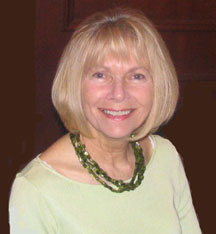
Interview with Norma Bishop - Summer 09 Flash Fiction Runner Up
Labels: Bluer, LuAnn Schindler, Norma Bishop, summer 2009 flash fiction contest
WOW! Women On Writing
Keep Up With the Latest from WOW!Click Below to Get Blog Posts by EmailArchives
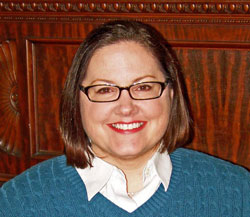
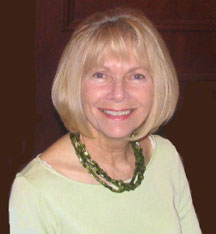
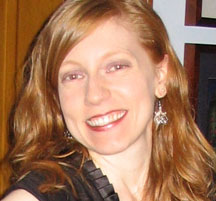
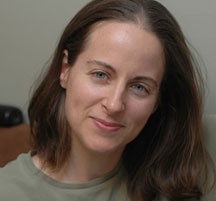
BlogrollTuesday, February 02, 2010Interview with Norma Bishop - Summer 09 Flash Fiction Runner Up![]() When in the fourth grade, Norma began her passionate journalism career with a piece about whooping cranes for her class newspaper. She has written poetry for as long as she can remember, and years later, took up nonfiction as a regular contributor to Santa Barbara's Coastal Woman magazine. But through her careers in the U.S. Navy, as an attorney specializing in non-profit law, and most recently as a museum director, she never submitted her fiction or poetry for publication. With the encouragement of receiving WOW! final status in her first contest, she appeals to other writers who hold their personal writing close to their hearts to let go. Share what you create. You never know when someone will read your work and relate to its message. Norma's story, Bluer, shares some a positive message about taking chances. If you haven't had the opportunity to read it yet, head over to the contest page and peruse the story. You'll be glad you did! WOW: Norma, welcome to The Muffin. Congratulations on receiving runner up honors in WOW!'s Summer Flash Fiction contest. Your story, Bluer, talks about taking risks and having faith. What led you to use the horse racing term? Norma: I love learning new words and turns of phrase, especially when they have a story all their own. I heard the term "bluer" somewhere, and at first it conjured up a pretty predictable cast of characters, the stereotypes you'd expect to hang around a race track. But eventually, I broadened my perspective . . . the horse racing term and environment led to the realization that we all continually weigh the risks in life. Holding back because of fear, bad experiences, is true of people as well as horses. WOW: I agree wholeheartedly! Many people hold back because they are afraid or have had a negative experience. Likewise, many are afraid to take a chance because they are afraid of change. Why did you decide to write a story that explores the possibility of a happy ending? Norma: I'm not so much of a Pollyanna that all my stories must have a happy ending. Claire and Jim aren't married in the end, but the "happy" ending is that Claire stepped out of the claustrophobic little cell she lived in. She got on the bus without the safety net of a return ticket. Who knows? Maybe Jim had left Vegas with a stripper by the time she got there . . . maybe, Claire got a job in a casino and fell in love with a math genius who was working as a part-time dealer while he planned to scam the casino out of millions. I won't tell. WOW: (Smiles) So, happy endings can take a few twists and turns of their own. Norma, you've written a fair share of poetry. How does that process compare to flash fiction? Norma: For me, poetry and flash fiction, after the initial inspiration, become something of logic puzzles. Poetry should be lean, just enough meat on the bones for the metaphor to hang together. Flash fiction is a similar challenge; every word counts. WOW: That's so true. Word count and precision can make or break a piece. Would you wind sharing your writing routine? Norma: I wish my writing were "routine." I have a demanding career, so I try to write on weekends. I keep a notebook by the bed. And I'm fortunate . . . at home I have a lot of quiet time. The best ting any writer can do is to "kill your television." I decided the last thing I want is my head filled with other people's stories. TV steals your imagination. The other thing I do is read great writers. Right now, I'm working my way through the Man Booker Prize winners. I just finished White Tiger, a first novel by Aravind Adiga. It's an incredible read. WOW: Writers need to make time to read. It helps writers stay sharp, and it allows writers to see and experience other styles of writing. It's a great source for ideas. I know you're career path has been an interesting journey. You've served in the Navy, been a non-profit lawyer, and now you're a museum director. Plus, you spread your nonfiction wings writing for a magazine. Do you draw on any of these experiences for your poetry or fiction endeavors? Norma: Ideally, my life and spirit would be so integrated that "drawing on my experiences" would be like breathing . . . inhale, exhale . . . but it's a little more work than that. I've been fortunate to have traveled, met many people, and seen them facing varied challenges, sorrows, and joys. But more important is your inner journey, traveling toward your own complete soul. Writing is putting that soul down on paper, and as you do so, more and more of it is revealed to you. You can be a writer without ever leaving your hometown. Emily Dickinson is proof that the greatest inspirational well is within us. WOW: Jim, one of the characters in Bluer, is a retired Navy man. Is he based on someone you knew in the Navy? Norma: Jim is a composite of men I knew in the Navy . . . smart, honorable, and forthright . . . and a risk-taker, but a wise one. I think Claire will be all right, don't you? WOW: Claire will be just fine with Jim. He has good intentions. I enjoy museums, and one of the best I've visited is the U.S.S. Midway in San Diego. There's so much history and knowledge that most people probably don't consider. At the Maritime Museum you direct, what's the most unique piece or your favorite exhibit? What lessons should visitors take away from touring the museum? Norma: The Wisconsin Maritime Museum has so many exhibits and incredible artifacts, including the most completely restored World War II submarine in the country and a beautiful 1917 Burger yacht, Lady Isabel, formerly named Swastika - imagine the stories she can tell! But my favorite items in the museum's collections are personal diaries, letters, and photos of people who sailed ships on the Great Lakes, our inland seas, perhaps vanished on them, went to war on submarines built here in Wisconsin, or stayed at home imagining the lives of their loved ones so far away in conflict. Those are the things that touch me most. WOW: The museum sounds incredible. I hope I'm able to visit some day. The intimate stories of those who live in a our neighborhoods intrigue me, too. Norma, what projects are you currently working on? Norma: I'm always working on short stories or "modular chapters of an undetermined longer work or works". (How's that for saying whatever my brain cooks up!) I am working on a specific novel, constantly writing poetry. I'm enchanted by haiku and the epiphany or "ah-ha" moment each haiku contains; I've found it a great way to get my creative juices going. WOW: Brilliant! I enjoy haiku and the challenge of creating a visual image. What advice would you offer aspiring writers? Also, for writers who have never entered a writing contest, what hints can you offer to "take a risk" and enter? Norma: KILL YOUR TELEVISION. READ GOOD AUTHORS (and the New York Times bestseller list may not be the best way to find them). Do whatever you can to give yourself the gift of quiet. WORK OUTDOORS. . . I think plein air writing should be as common a concept as plein air painting. ENTER CONTESTS. They give you a time goal, a structure, and the promise of a reward. I can't guarantee a happy ending, but don't live your life always buying the round-trip ticket. STEP OUT . . . and HAVE FUN! WOW: Wonderful advice! I especially like the idea of writing outside. Norma, thank you for sharing your thoughts about your stories and writing. And again, congratulations on the runner up honors in our flash fiction contest. Interview by LuAnn Schindler Labels: Bluer, LuAnn Schindler, Norma Bishop, summer 2009 flash fiction contest Sunday, January 31, 2010What Does Your Business Card Say About You?
by LuAnn Schindler
As a writer, you spend large chunks of time sitting in front of a computer screen, maintaining your blog(s), updating your website, and promoting your work via social networking outlets. But in your rush to effectively market yourself , you may be forgetting one of the most basic marketing tools available: the business card. A business card is one of the quickest introductions a writer can make. It's also one of the least expensive forms of self-promotion. Take a look at your business card. What does it say about you as a writer? Does it make a statement about the type of work you produce? Does it let potential clients know you are serious about your craft? Does it provide multiple ways to contact you? Business cards come in several sizes: the skinny, or 1 x 3 inches; the standard, 3.5 x 2 inches; or the oversized (offered by several printing companies), is 2.5 x 3.5 inches. The traditional or standard size is recommended by industry professionals, but it's clearly a choice you can make that best fits your needs. Another consideration is font, size, and color. A serif font is easy to read. Make sure the size is large enough for "older" eyes to view it clearly. The color of the type can make a difference, too. Determine if the color will stand out against the background or if it will blend in and be unreadable. Select the information you want others to know. At the minimum, include your name, title, and contact information, including a phone number, e-mail address, and web site URL. Some authors advise not to place a mailing address on the card because that information should be available on your online site. It's worth thinking about! Use the back of the card, too! Special services or skills can be listed on the flip side. Use the room and promote what you are able to offer potential customers. Design your own cards or use templates provided by online vendors. Sites like VistaPrint.com or 123Print.com offer multiple templates. These sites are cost effective, too. Depending on the style you choose, up to 200 cards can be purchased for around $10. Another site worth checking out is Zazzle.com. You may pay more for the cards, but the site has thousands of designs to choose from and cards ship within 24 hours. I just returned home from a PR trip in St. Augustine, Florida. As I was going through the stack of business cards I received from businesses, historical sites and fellow writers. The cards that stood out used vivid photography and a heavy paper stock. These examples also used the entire space of the card to promo themselves or their business. Take a look again at your business card. Does it say all it can about you as a writer? Labels: business cards, LuAnn Schindler, self-promotion Thursday, January 21, 20101000 Journals
by LuAnn Schindler
I started journaling when I was in high school. Actually, it was in 7th grade when grandma gave me a diary in my Christmas stocking. It had a beautiful white cover with the 'diary' embossed in gold on its cover. As the years progressed, I started myriad journals. In our bedroom closet, one box contains seven volumes of my ramblings through the years. Another six sit on my computer desk. I'm a journal junkie. I'm not afraid to admit it! One of the most amazing journal projects I've discovered is 1000 Journals, an ongoing experiment that tries to follow 1000 journals. The stories, artwork, collages gracing the pages provide a random glimpse of society and the creative inspiration everyone has within. The project has been bound into a book and a documentary. If you're interested in becoming part of the journal project, check out 1001 Journals. Labels: 1000 Journals, 1001 Journals, journal project, journaling, LuAnn Schindler Monday, January 11, 2010Still Time to Set Resolutions
by LuAnn Schindler
We're not quite half way into the first month of the new year, so if you haven't taken time yet to develop a list of writing goals, don't worry. There's still time. But instead of procrastinating (do writers do that?), take a good look at what you accomplished last year and where you want to direct your energies this year. Unsure where to start? Here are a few ideas I implemented last year and a couple I plan to complete in 2010. Consider it a productivity map.
Having a road map for the new year will keep you on the "write" track, push you to try new ventures, and make you accountable for your successes and failures. Set goals for a productive 2010. Labels: building new website, data backup, deadlines, goals, LuAnn Schindler, networking, query tracker, setting goals, social networking for writers, time management, writing skills Friday, January 01, 2010Relax Body and Mind
by LuAnn Schindler
In the midst of winter, it's sometimes difficult to take a break from the computer screen and head outside for physical activity. But writers need to make time to step back and give their minds and bodies a rest from the office chair and the written page. When I'm in the middle of a long stretch of writing or editing, I work for an hour to 90 minutes, and then I take a break. Then, I strike a pose - a yoga pose - and clear my mind and stretch my body. The Sphinx pose restores the curve in the lower spine. When you're sitting in the office chair for extended periods, it flattens. Sphinx also gives a boost of energy to the chest by giving the heart and lungs more space to operate. How does the position affect your disposition? An open chest encourages an open heart, preventing depression from setting in. It also gives an individual a feeling of support. It's easy. Lie on the floor on your stomach. Feet should be shoulder width apart. Rest the tops of the feet on the floor. Prop your torso up on your forearms, keeping your elbows underneath the shoulders. Forearms and fingers point forward. Lift up your heard and keep the chin level to the floor, eyes gazing ahead. Pull shoulder blades toward each other. Stay in the position for at least five deep breaths or up to two minutes. To come out of the pose, lower your torso and head to the floor. Move the arms next to your sides and turn head one direction. Rest for several moments before resting in child's pose. Balancing work and rest helps creativity. Take a few minutes for yourself throughout the work day. You'll be amazed at how your productivity increases! Labels: body mind connection, LuAnn Schindler, rest, yoga for writers Thursday, December 24, 2009Maintain Motivation in 2010
by LuAnn Schindler
This week, amidst holiday preparations, I sat down and began to map my writing goals for 2010. I'm a big picture person, so I made a visualization chart with generalized goals across the top and broke that flow chart into specific goals. (Some people might say Way to procrastinate, LuAnn, but I say I need visual proof that I'm working hard to meet my goals, so it's not procrastination!) One problem I've dealt with in the past is maintaining focus on the prize. I may start the year with fountain pen or computer keyboard blazing, but winter doldrums fence me in, spring fever skips through my work, summer fun beckons for play time, and fall festivities fetch my fancy. In other words, life happens, and sometimes, those roadblocks slow down the journey to the goal. And, sometimes, goals shift or are left unmet during the year, causing motivation to wane when I need it the most. What I've discovered through the writing years is this: We are the choices we make. If I choose not to write today, that's my prerogative. But, if I make that choice, I shouldn't complain, I shouldn't let it slow down tomorrow's writing, and I shouldn't let it interfere with the long-term outcomes I would like to achieve. No, maintaining motivation is personal, but sometimes, it takes a village to raise a writer. Consider these four tips to keep inspired during the next 365 days.
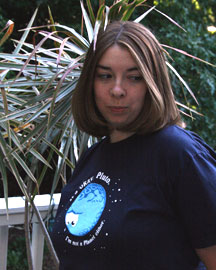
I'm glancing at my goal chart and re-reading what I hope to accomplish in 2010. With a visual reminder, reasonable goals, and writer friends who encourage, I can't go wrong. Maintaining motivation won't be a problem this year. Happy Holidays! And, happy motivating! Follow LuAnn on Twitter - @luannschindler Labels: focusing, LuAnn Schindler, motivation, writer inspiration Tuesday, December 22, 2009Interview with Rebecca Gomez Farrell - 3rd place winner in the Summer '09 Flash Fiction Contest![]() Rebecca Gomez Farrell, a Californian with a bad case of wanderlust, moved to the East Coast following college, thinking to improve her writing by gaining more life experiences. Now, she writes, edits and blogs from her home in Durham, North Carolina. Rebecca is amazed she placed in a writing contest. Using the pseudonym, The Gourmez, Rebecca reviews restaurants, cocktails, and wines. She also blogs about her lifelong passion, General Hospital, for Eye on Soaps. When these writing gigs aren't consuming her time, Rebecca modern short fiction and creative nonfiction. Currently, she's in the midst of a fantasy novel. If you haven't had the opportunity to read Rebecca's flash piece, Last Complaint, you'll find it on the WOW! contest page. Go on, click over there. WOW: Rebecca, congratulations on winning third place in the Spring '09 Flash Fiction contest. Last Complaint is intriguing! How did you develop the idea? Rebecca: Last Complaint has been rolling around in my head since a creative writing course in college. We had an assignment to do a character sketch and I thought up this woman who'd spent her whole life complaining. She was the sort of person that any customer service worker (I worked in a move theater at the time) would be loathe to encounter. I think writing a piece where I could kill off someone like her was cathartic. Over time, she evolved into a character with a few more layers to ground her as a human and not merely a caricature so that the reader wouldn't be as happy to see her meet her end. WOW: She reminds me of a few people I've encountered. What draws me to the piece is the ripple of tension that runs through it. It's unnerving! Why is conflict important to a story? Rebecca: Most readers, at the end of the day, want a story. They want something that catches their interest, rises to a climax, and then resolves with a certain level of satisfaction. Conflict of any sort makes this possible. Creating tension within your story is a way to hook people in without needing to supply that much background information or establishing a strong connection with a character, something that is hard to do in short pieces like these. The reader knows something is going to happen but they don't know what or when so they keep reading to find out. WOW: That's so true. Creating a hook that keeps readers invested is the goal. Your creation of the main character is brilliant. She's self-centered, lonely, demanding, and vulnerable. That's a powerful combination. What does her attitude say about the state of humanity? Rebecca: Since she spent her life not taking other people's feelings into consideration, she essentially removed herself from humanity and they no longer wish to consider her feelings, either. Through rejecting the simple human connection that comes from things as basic as treating the people around you with respect, she has essentially lost the right to that same treatment herself. Not that I want people to read about a murder and cheer on her death, per se, but I do like that it's a bit of a comeuppance for her and the way she's lived her life. WOW: Excellent lesson that everyone should remember: treat other's the way you want to be treated. Let's switch gears and talk about your writing career. As The Gourmez, you blog about restaurants and drinks. Some people would consider that a dream job! What are some of the ups and downs of food writing and reviewing? Rebecca: I started The Gourmez primarily as a way to get myself in the habit of writing regularly, even if it wasn't about fiction, which is my passion. It has done wonders for me in that sense. As a blogger develops a readership, you feel responsibility to keep up your writing for them, not just for yourself any longer. So that definitely has strengthened my writing. However, realizing that what you write, no matter how subjective reviews are, can actually affect someone else's business can be both a negative and a positive thing to learn. Also, it's not the most fun to try and slyly take pictures in an establishment and meals while dining out! But I definitely have gained a strong attachment to my local community, fellow foodies, and so many fascinating people through a shared love of great food, great wine, and great cocktails, for which I am very grateful. That overrules any negative experiences I've had from my writing as The Gourmez. WOW: A sense of community is so important for writers. That's great that you've built rapport with others through your experience. Another passion you have is for the daytime soap, General Hospital. You blog for Eye on Soaps. What makes daytime drama so fascinating? Rebecca: Soap operas are all about the payoff for longtime viewing. I've been watching General Hospital since I was five years old and being able to see how characters and story lines develop over decades is fascinating. One character might be cheating on her husband now, but as I've watched her grow up, I don't just chalk it up to a despicable act - I can see how she's doing it because I remember when her father abandoned her when she was only a child and how every boyfriend she's had since has either died or left her. I think being able to see things play out on such a grand scale can give loyal viewers the ability to see how history affects every character's actions, which is something that has definitely made its way into my own writing and I think it's the better for it. WOW: Great point! History affects each character's actions. I understand you're working on a fantasy novel. Would you mind sharing a bit about your upcoming novel? Rebecca: My novel is an epic fantasy that deals with what happens when a society allows ignoble qualities to multiply without restraint. The "good" people of my imagined world have allowed those who do not wish to live by society's rules to create their own country rather than deal with how to live together any longer. Fifty years later, the corruption, abuse, and other manners of vile behavior is spilling back over the borders and into their own idyllic world. As it's fantasy, of course, this also involves the generation of creatures that suck out a human's life matter, leaving only a shell behind and a prophecy that foretells the only person who has the power to bring about their destruction since they are invisible to the naked eye. There's horror, there's love, and there are spirits of the dead that advise humanity but few who recognize them for what they are. Did I mention writing fantasy is fun? WOW: Oh, it definitely sounds like fun! Rebecca, what advice would you offer to your fellow writers? Rebecca: Write, write, write. Even if you've only got 30 minutes before you roll into bed, try to make a habit of doing a little writing every day. Since I write across many different genres, I find that it's helpful to switch between them if my brain isn't mentally able to handle a particular piece that day. WOW: Wonderful advice, Rebecca. Again, congratulations on writing a piece with amazing depth and for winning 3rd place in the contest. Interview by LuAnn Schindler Labels: LuAnn Schindler, Rebecca Gomez Farrell, summer 2009 flash fiction contest, Summer Flash Fiction Winner Wednesday, December 16, 2009Beating Writer's Block
by LuAnn Schindler
Stuck in a rut and unsure of how to get the creative muses to delight you once again? Try these surefire sensory tips that will let the words flow.
How do you beat writer's block? Labels: Finding Inspiration, Inspiration, LuAnn Schindler, writer's block Sunday, November 29, 2009Checklist for Freelancers
by LuAnn Schindler
You've submitted queries and you're playing the waiting game. Once the editor bites on your pitch, there are a few items you need to cover with the editorial staff. Clarity of expectations will help the project progress smoothly. Use this list when working with an editor.
Many publishers will send a checklist of this nature when they decide to use your article. If a publisher does not use a similar form, a writer can send a form with her understanding of the project and ask for the editor to return it with an electronic signature via email. Protecting your bottom line and your projects will establish a solid relationship with an editor. Labels: collecting payment, freelance checklist, invoices, LuAnn Schindler Thursday, November 19, 2009Fonts and Writing Style
by LuAnn Schindler
When you're composing on your computer, do you tend to select one font more than another? Sure, Times New Roman is common in the publishing world, but do you long to use other fonts that express your personality? At times, I do. And some times, I compose in those fonts because it makes sense in my mind. It adds an edge to my writing, especially when writing fiction. It's a visual cue that allows me to see how a character sounds. It's a personality trait that formulates a picture and maps the story arc. Does a certain font describe your personality? I took a ten-question quiz on the Independent Lens webpage that discusses the history of print. According to the quiz, I'm Edwardian Script. I believe that's fairly accurate: I'm a true romantic at heart; nothing gets my juices flowing more than flowery, flutterly love. What font are you? Does it describe your personality? Follow LuAnn on Twitter @luannschindler . Labels: font, LuAnn Schindler, personality Wednesday, October 28, 2009Words We LOVE to Overuse
by LuAnn Schindler
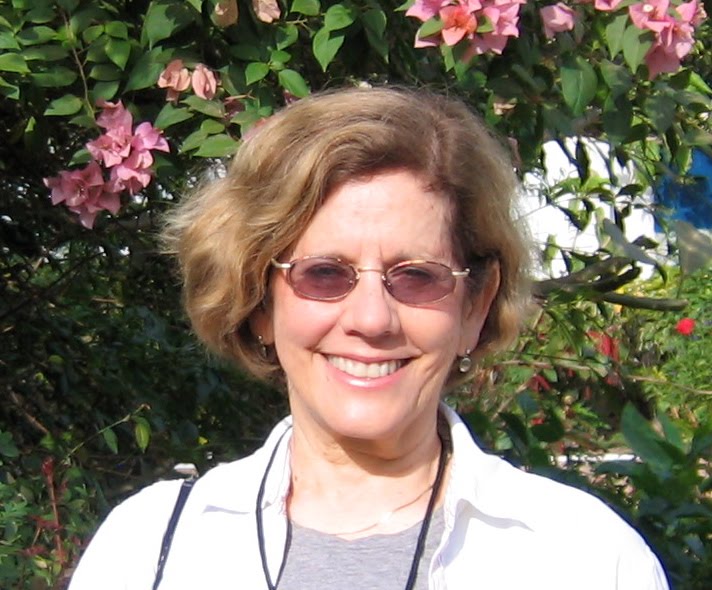
Read through your writing, and you will undoubtedly find a word, several words, or even phrases you tend to repeat. For those of us who write on a daily basis, the practice of penning the same word in the majority of our stories may seem like happenstance. Or maybe it plays out like the movie Groundhog Day - no matter how we try to cut the word, it keeps popping up in our writing And then we begin a new day, with a new goal or assignment, and guess what happens? That's right. There's the pesky word or phrase, taunting us, daring us to strike it from the page. It happens to the best of writers as often as it occurs with the novices. Recently, I flipped through a handful of poems I was contemplating for a contest entry. In three of the five, one word and one phrase glared at me and begged for a fresh reprieve. At first I thought it was a coincidence, but then I scanned my memory bank and remembered what was happening in my life at that time. I understood why those words and the connotations stood out. But a quarter-life crisis doesn't excuse a writer from overusing a word. No, I'll keep that until I reach my three-quarter life crisis (which, luckily, is still close to 30 years away!). Yesterday, a New York Times standards editor instructed Times reporters to delete the word 'famously' from their vocabulary. Precision is necessary, and 'famously' doesn't always create a sense of preciseness. Like most of you, I have a personal list of words that make me cringe when I see them in print. I could share the entire list, but I'm afraid some readers may not have all day to peruse my laundry list of pet peeves associated with writing vocabulary. Sure, many of them are basic grammar errors that can be easily solved. But some words, like 'love' and 'hate' bother me. When writers overuse emotional words that have a strong meaning, the words become watered down and run off the page, splashing into a puddle of jumbled letters that simply want to be rescrambled and formed into new words. When that happens, a writer loses the connection she's established with readers. She alienates potential clients when she chooses to fill the page with overused, often misused, terms. Yes, say what you mean, but be precise! Love the new fill-in-the-blank-NYT-bestselling-author's-name-here book, you say. Love it! Love it? No, tell me how you really feel about it. Tell me the truth and tell me precisely why you enjoy it. What words are on your overused (or often misused) list? Labels: LuAnn Schindler, overuse of words, word choice Tuesday, October 27, 2009Interview with Doris E. Wright, Runner Up in WOW!s Spring 09 Flash Fiction Contest Congratulations to Doris E. Wright of Homer, New York. Her flash fiction piece, You Can See, earned runner up honors in the Spring 2009 Flash Fiction Contest.In addition to short stories and poetry, Doris completed her first novel about a the offbeat relationship between a middle-aged man and his philosophical bedding plant. Now, Doris ponders if agents that specialize in quirky, philosophical, comical, literary-satirical character studies actually exist. A workshop veteran, Doris has participated in a poetry workshop at Colgate Writers' Conference and previously attended the Colgate Conference's novel-intensive workshop, a fiction workshop at The New York State Summer Writers' Institute at Skidmore College, and the Algonkian novel workshop. Doris has a varied background: she's been a teacher and a newspaper reporter and feature writer. Now, she concentrates on traveling around the world. In the last three years, she and her husband Don, an African historian, have traveled in China, France, Spain, The Gambia, and Mali. If you haven't had the opportunity to read her story, saunter on over and read it. Trust me, you won't be disappointed! WOW: Congratulations, Doris, on receiving runner up honors for your story. I'm super impressed with the quality workshops you've participated in. How have these opportunities helped your writing skills? Doris: While each has had its value, the workshops I attended at Colgate University were especially helpful. This summer I took the poetry workshop and, though I’ve written poetry since high school and studied it in college, I found there was a lot to learn, especially in terms of form. The craft talks and readings were wonderful; inspiring. But for me, the most valuable thing about workshops is being immersed in the writing world for a week or two. Even at meals or on a walk across campus, you are talking and thinking about writing all the time. So you start to take yourself seriously and really think of yourself as a writer (which means, you better get busy). WOW: I like the idea of being immersed in the writing world and learning to take the craft seriously. What advice would you offer a writer contemplating attending her first conference? Doris: Don’t be afraid. Most everyone is open and accepting. Approach people, even the established writers, and ask questions about their work and writing experience. Take advantage of every opportunity, don’t miss a talk or a reading; and read your work to others if you have a chance. It can be exhausting, but it will be over soon and you don’t want to miss anything. WOW: A conferences sounds like workable fun! Imagine how much a writer can learn while participating! You previously worked as a news reporter. How does your background as a feature writer shape your fiction? Doris: I suppose any writing, in the sense that it’s practice, contributes to your ability. You are constrained by time and style requirements, which is a useful writing exercise. And, when you work for a newspaper you encounter interesting situations and unusual people who can stimulate your imagination. WOW: Imagination and unusual people and situations really do help stimulate the writing mind. Your story has an unusual situation and even the title lends itself to various interpretations. Plus, the title contains a touch of irony. How important is the title for flash fiction? Doris: I think finding the right title is fun—I love words, and plays on words. The title in flash fiction is important: it gives you the opportunity to tell the reader something you couldn’t say because of your word limit and point them in a certain direction. WOW: That's a great point to make. Flash fiction can be limiting, but quality stories create a strong story arc and are filled with details and symbolism. You Can See contains a lot of symbolism about seeing and sight. What's your method for incorporating so much symbolism into the prescribed word limit? Doris: I have no method. To be honest, it wasn’t deliberate. Perhaps I injected symbolism reflexively or intuitively? I suppose writing poetry might bring that element to my writing. I’m not sure. WOW: Perhaps you did! It's so fascinating to see how a story and all its details take shape. Let's talk about how the writing process works for you. When do you write? How do you develop ideas? Doris: I don’t have the discipline I should and tend to let things distract me. I’m better off writing in the morning, before other things snatch me up. At one point I ordered myself to sit down and write for at least an hour most days of the week. I got a lot done that way because once you start you tend to keep going. It’s the starting that’s hard. As far as developing ideas, they mostly just come to me. I tend to see things ironically—like, what would it be like if I was out driving and suddenly there was a rhinoceros crossing the road—and that’s why my writing could be considered dark or quirky. WOW: I agree that it is all to easy to get distracted. Eventually, I get back on track and stick to my schedule. It helps when deadlines must be met and the project list continues to grow. What current projects are you working on? Doris: Although my novel is finished, I’m still tweaking it and seeking an agent. I have several longer, short stories that I want to polish, poems that need work, and ideas for other short stories. There’s a memoir in my future, I think. WOW: Doris, you've traveled to so many interesting spots, I hope your memoir includes stories about your travels. Good luck with your projects! Contests can help a writer fine-tune her craft. You've had success in previous WOW! contests. What elements do you feel are necessary to make a solid flash piece? Doris: Certainly you must convey an idea or event that is, in one way or another, complete in itself. But, I think, it needs to have emotional weight to it—something that makes the reader think or moves the reader, and makes them reflect back on it. With that emotional component, you expand your word limit, involving the reader and their own experience. WOW: Great advice, especially for writers contemplating entering a flash contest. Congratulations again, Doris, and I hope to read more of your work. Interview by LuAnn Schindler Follow luann on Twitter @luannschindler Labels: Doris E Wright, LuAnn Schindler, Spring 2009 Flash Fiction Contest Saturday, October 17, 2009Teen Read Week
by LuAnn Schindler
October 18 - 24 marks Teen Read Week. As a former junior and high school teacher, I've read my share of YA literature. And truthfully, I often find YA literature more compelling than contemporary fiction. Good YA literature places rich characters in realistic situations. The dialogue is strong, and most importantly, sounds like teens. It's not contrived. Neither are the plots. If you haven't read a YA novel lately, check one out. You'll be pleasantly surprised! Some of my favorites include Thirteen Reasons Why, Language of the Goldfish, Spanking Shakespeare, Wanted!, and Make Lemonade. What are your favorite YA novels? Labels: LuAnn Schindler, teen read week, YA, YA literature Wednesday, October 07, 2009So You Think You Know Literature
by LuAnn Schindler
If you're like me, you're a literature buff. You have an extensive collection of books in your personal library, only rivaled by your parents, who are twice your age and have twice as many books. And, if you're like me, you like to test your literary prowess and brag about it. I've found the perfect place to test your literary genius in addition to your personal writing. Try the never-ending book quiz at Good Reads. Who are the lovers in The Time Traveler's Wife? In C.S. Lewis's The Lion, The Witch, and The Wardrobe, what mythical creature does Lucy encounter on her first trip through the wardrobe into Narnia? Which book begins, "It was the best of times; it was the worst of times"? Registration is required to continue past the first question, but it's worth it. If I need a short break from my writing routine, I head to the quiz and see what trivia I know. Sure, it's addictive. So is good literature. Labels: book trivia, good reads, literature quiz, LuAnn Schindler Tuesday, September 22, 2009Interview with Elizabeth Barton - 3rd Place Winner in the Spring '09 Flash Fiction Contest![]() According to Elizabeth Barton, she's been penning stories for just about as long as she can remember. After earning degrees in psychology and nutritional sciences, Elizabeth worked as a medical writer and editor. She participated in the Writer's Loft program in Chicago for over four years and recently ventured into fiction writing. An avid writer, Elizabeth has multiple manuscripts in varying degrees in completion, and now, she is putting the polishing touches on her first novel. Elizabeth lives in Chicago with her husband, Ian, and two cats, Roxie and Gordon. When she isn't writing, Elizabeth enjoys reading, theater, and wine. Elizabeth likes other artistic pursuits, including painting, drama, painting, and stained glass work. She believes every experience can be an inspiration. Elizabeth's story, "The Wedding March", is located on WOW! 's Spring Contest Page. If you haven't had the opportunity to read her work yet, head over to WOW! Women on Writing. Her story will resonate with anyone who has experienced pre-wedding jitters. WOW: Welcome, Elizabeth, and congratulations on winning third place in the Spring 2009 contest! Thanks for sharing your thoughts with WOW! readers today. "The Wedding March" examines the nervous jitters a bride experiences prior to her wedding. What was the inspiration for your story? Elizabeth: It actually began with a writing prompt: "Terrified, she opened the door..." I knew I didn't want to write a horror story, so I began to think of what other kinds of things people find scary. The idea of getting married to someone you're really not sure about is pretty scary to me, but I know it happens. WOW: I agree with you! It happens quite often. I like how you incorporate wedding traditions and terminology. To you, how important is the use of detail ? Elizabeth: I think details are important, especially in flash fiction. Since the story is so short, you don't get to know the character(s) as well as you might in a longer piece. Every detail can help bring the reader into the story, and when you are specific in your phrasing, you create something uniquely your own. WOW: And creating something unique is an important element of a story, and especially true of flash fiction. Your bio states you have a stash of short stories. Do you also write a lot of flash fiction? What genre do you prefer? Elizabeth: I do write a lot of both flash fiction and short stories. It's hard to say which I prefer, but I have been writing more flash fiction recently. Although flash fiction doesn't allow one to delve as deeply into characters and conflicts as longer pieces do, it offers its own challenges. When you're writing such a short piece, it really makes you think more carefully about every single word you put on the page. WOW: Word choice really makes a difference in flash fiction. Flash fiction writers learn to be precise. Precision is also a key element of medical writing, which you spent time doing. Plus, your background is in Psychology and Nutrition. Do you incorporate any of those non-fiction ideas into your fiction? Elizabeth: Every story incorporates psychology. Even if psychology is not actually mentioned in the story per se, a character's thoughts and actions reveal his or her psychology. I can't say that I've incorporated nutrition or medicine/medical writing into my fiction thus far, but perhaps I will some day. WOW: Great! Critique groups and workshops are a benefit to a writer. You participated in the Writer's Loft Workshop in Chicago. Share your experience and what you learned. Elizabeth: It was a great experience. I learned, not only from someone who had been writing and teaching for decades, but also from other aspiring writers as we critiqued each other's work. It really helped me grow as a writer. I learned that you can write about almost anything and make it interesting as long as you have conflict (whether internal or external) and characters to identify with. The leader of the workshop (Jerry Cleaver) always said, "If your characters are having a good time, your reader probably isn't." I think that's great advice, and I always like to keep that in mind while a write. WOW: Wonderful advice for all writers to consider. Thanks for sharing! What additional advice would you offer writers who are contemplating entering a contest? Elizabeth: The worst thing that could happen is you don't win, and no one wins every contest she enters. You really have nothing to lose except a (usually nominal) entry fee, and you might just surprise yourself, so do it! WOW: So true! Surprises are always welcome! And, like you said, there's nothing to lose. What current projects are you working on? Elizabeth: I'm almost always working on at least a couple of short/flash fiction pieces. However, my main focus lately has been revising my novel (working title: Thick and Thin). It tells the story of two young sisters who endure a tumultuous childhood touched by abuse, alcoholism, and suicide, as they discover whether the bonds of sisterhood can survive and help carry them through it all. WOW: It sounds like a powerful story! Thank you again, Elizabeth, for talking about writing and your story with WOW! readers. Interview by LuAnn Schindler Twitter - @luannschindler Labels: Elizabeth Barton, LuAnn Schindler, Spring 2009 Flash Fiction Contest Thursday, September 17, 2009Learning a New Language
by LuAnn Schindler
This morning, I attended a foreign language class at an area high school. My assignment: interview the teacher and students about why this language is important and worth learning. What's unique is that the language is Chinese, and the school is located in the middle of Northeast / North Central Nebraska. How does this relate to writing? It's interesting; the instructor handed me a sheet of paper and a 'pen' resembling a paint brush and told me to work along with the students, drawing the Chinese words for numbers one through ten and the directions. Later in the class, she shared a slide show with famous places to visit in China. Each slide had English and Chinese writing, as well as gorgeous photographs. At the end, she played a clip of a Chinese acrobatic troupe, similar to the Cirque Shanghai show I saw in Chicago this summer. Spectacular! When I asked her what her goals were, she said to give students a hook of culture and then reel them in to learn the language. I think she's succeeding. She hooked me. As a former teacher, I can't stress enough the importance of life-long learning. According to the instructor, one of every five people in the world know Chinese. Think about the career possibilities: translators, writers - in every genre, travel guides. The list of opportunities is endless. As a writer, it may seem like there isn't enough time to squeeze in time for a class of any kind. I look at my schedule and wonder when I'll ever get caught up with my writing obligations and contemplate adding another element to the mix. But, if I want to remain marketable and open new doors, I should investigate learning another language. You never know where the world of language may take you. Labels: Chinese, foreign language, LuAnn Schindler Sunday, September 06, 2009Turn a "Fan"-tasy Into a Feature
by LuAnn Schindler
A funny thing happened on the way to the Husker season opener. (Actually, it happened on Friday afternoon; the game was Saturday evening.) I landed a part-time sports writing job. To make a long story semi-short, earlier this year I contacted a sports-writing company about a writing position. I didn't get it, but I still registered with their online site. Although I had several story ideas to share, I pushed them to the back of my mind, tackling other pressing projects. Then, I received the editor's email, stating they'd like a story. Can you turn a "fan"-atic's "fan"-tasy into a feature? I believe so. Most people have something they are passionate about; I happen to enjoy sports, primarily anything related to my home state Huskers. (It also helps that we have season tickets. Thanks, Mom and Dad!) I wrote an opinion piece about the season opener and grading different aspects of the game and certain player positions. I also created a slide show about the top five pre-game events in the stadium. If you can analyze, offer an opinion, or formulate a feature, you have the opportunity to parlay being a fan into a hard sale. And if you can offer a multimedia package - combine text with pictures and / or video - you'll increase your bottom line. Labels: LuAnn Schindler, multimedia packages, sports writing Saturday, August 29, 2009Searching the National Archives
by LuAnn Schindler
You're conducting research for a piece about World War I. Along the way, you scour through books, look through microfilmed newspapers, but you want more. You want to glimpse at objects that document the journey of a soldier. Where can you find these objects? Begin at the National Archives. The National Archives and Record Administration is the nation's record keeper, documenting the business conducted by the U.S. Federal government. According to the Archive's website, only 1 - 3 percent of the documents and materials created in the course of business are kept for legal and historical reasons. But here, at the archives, you can discover a world of knowledge about a variety of historical topics about ordinary citizens. Established in 1934, the National Archives contain holdings dating as far back as 1775. And in the Internet age, the Archives also maintains electronic records. Imagine the possibilities! The Archives aren't all housed in Washington, D.C. The nation is divided into nine regions, and these regional facilities house valuable records from the territory it represents. Additionally, each regional facility contains holdings for certain Federal agencies. Documents are stored in temperature-controlled storage areas. Preserving these precious documents is a primary objective. Visitors can observe records, and strict handling regulations are enforced. Last October, I visited the Southeast Region Archive, located in Morrow, Georgia. Here, records from Alabama, Florida, Georgia, Kentucky, Mississippi, North Carolina, South Carolina, and Tennessee are stored. While touring the immense facility, I made a personal discovery: all 24 million original WWI draft cards remain in existence at this Archives location. My grandfather served in this war, and I knew I wanted a copy to share with my family. The process of retrieving the record was simple: I filled out an online form, paid the $5 fee, and within 48 hours, I received a digital copy, complete with my grandfather's signature. It's such a powerful feeling to hold that piece of family history! In the lobby of the Southeast Archives, learn firsthand about our nation's history. Over 500 quality facsimiles of regional holdings show the paths of the famous and infamous. It's a breathtaking look of the history that defines us as a nation. The Southeast facility offers these original records:
The possibilities for story ideas from information housed at the Archives is endless. Check out this untapped resource and watch history come to life. For additional information, check out the Archives site. If you're interested in items stored at the Morrow, Georgia, facility, visit the National Archives Southeast Region website. Labels: expert resources, LuAnn Schindler, Morrow Georgia, National Archives, resources, southeast region archives Saturday, August 08, 2009Finding writing support on Twitter
by LuAnn Schindler
For those of you who are Twitter junkies, and for those writers who think social networking distracts from your work, take note: you can learn and get your creative groove on at Twitter. I've been checking out the #amwriting hashtag lately. And I'm inspired. Writers talk about what they're working on and they encourage one another to set and reach goals. Twitterers from around the world discuss their work. You see people struggling to fine-tune an idea, phrase, or word. But you also see success stories. Just this morning, people were talking about the revision process, research, and inspiration. Check it out. Labels: amwriting, LuAnn Schindler, twitter, writers on Twitter Tuesday, July 28, 2009Interview with Tricia Bowering, 2009 Winter Contest Runner Up![]() Born and raised in Victoria, British Columbia, Tricia Bowering studied Psychology at the University of Victoria. She lives in Vancouver, where she keeps busy working as a physician and spending time with her partner Alan and energetic daughter Sophia. Tricia remembers writing short stories as early as grade two and all throughout high school, but years of study and work slowly pushed writing aside. Finally, she has returned to writing as a serious pursuit, and has enjoyed reconnecting with her creative voice. If you haven't had the opportunity to read Tricia's wonderful story, When My Grandmother Made Perogies, head to the WOW! site and take time to devour it. Like a fine meal, Tricia's story is meant to be savored. WOW: Congratulations, Tricia, and welcome to The Muffin. Your story reminds me so much of my grandma. Is this story based on personal experience or is it purely fictional? Tricia: Much of the fiction that I write starts with a few details from life, either a conversation or an image. In this case, I was able to take some of my memories and build a fictional event around them. My grandmother did indeed make perogies that we devoured on our trips to her house, but my daughter hadn’t been born by the time she moved. In some ways, the story reflects what I wish could have happened. I would have loved for my daughter to enjoy the same cherry tree climbing and perogie eating that I did. The story is really a tribute to my grandmother, and her important traditions. WOW: Those are great memories! Your grandmother sounds like a marvelous woman. Your story definitely fits into a 'keepsake' category. Why are stories that preserve family values and traditions important to tell? Tricia: Reflecting on the past, and incorporating it into our own lives can be important in many ways. I find myself wanting to explore the themes of my childhood as I get older, perhaps as a means of connecting to previous generations. Now that I have my own home and family, I’m trying to create traditions of my own. I’m beginning to understand the ways that my grandparents and parents instilled a sense of meaning in my life, and I don’t want to lose those memories. WOW: Keeping and building traditions is so important. Your family will appreciate them as they grow, too. You use a quite a few sensory details. Why is it important to use those details to paint a vivid picture for the reader? Tricia: Without a lot of action in the story, vivid description became particularly important. I tried to describe the scene as if from a child’s point of view, with all the wonder that it encompassed. Since the story was so much about the perogies, I wanted the process of making them to come to life, evoking a special time and place. I used other details about the house and the past to create a sense of nostalgia, something I felt while writing. WOW: (smiles) That sense of nostalgia comes across. Let's talk about the writing process. What's your writing routine like? Tricia: It’s irregular, at best. When I have a writing project on the go, I tend to set aside writing time each day. My mantra is “an hour a day for writing”. However, when life gets busy, or I’ve just finished a piece, I tend to slow down a bit. Sometimes, it’s just a few hours of writing on a day off, once a week. WOW: Great mantra! Even experienced writers need to be reminded of that. It's difficult to always make time to write, and you are a busy woman. How do you balance working in the medical field with family and writing time? Tricia: First off, family comes first! Balance in life is difficult and I’m always busy, but I try not to use that as an excuse. Although finding time to write has been a challenge, I feel such a sense of accomplishment and pleasure in crafting and completing a story that it’s so worth it. It’s only been a year since I’ve taken up writing again, and reconnecting with the creative part of myself has been a great journey. WOW: Good for you! Keep on the "write" path! Due to study and work, you weren't able to express your creativity. Why is it important for people to stay connected to their creative voice? Tricia: So many parts of my life are enriching. Both work and parenting challenge me in different ways, but as I begin to have a bit more spare time, life is quiet enough to allow me to reflect on my experiences. Beginning with a blank page and ending up with a finished story that is meaningful to me is very satisfying. It challenges me in different ways than studying and working. I’m sure that the importance of creativity is different for each one of us. WOW: That's so true. It depends on what our interests are. What types of writing do you prefer? Has any of your work been published elsewhere? Tricia: I’m still exploring different types of writing, and it’s a fun process. I like to write flash fiction and longer short stories, taking my inspiration not only from life events, but also from interesting contest prompts. At the moment, I’m having fun rediscovering language, playing with phrases and description. I’ve never used my thesaurus so much! I’ve not been published yet, but here’s hoping… WOW: We'll keep our fingers crossed for you! What projects are you currently working on? More short fiction. I’ve got lots of ideas in my head waiting to be written down, and the difficulty is which one to tackle first. As for the future, who knows? I’m enjoying the journey right now. WOW: And enjoying the journey is so important for a writer. Good luck with your endeavors. What advice would you offer to fellow writers? Tricia: Taking up writing again has shown me that it’s never too late to start something new. I hope that these contest events inspire more women on their own pathways to creativity. Interview by LuAnn Schindler Labels: LuAnn Schindler, Tricia Bowering, Winter 2009 Contest Runner Up Monday, July 27, 2009What Makes a Great "Beach Book"?
by LuAnn Schindler
War and Peace shows up on many "classics" book lists, but is it a great beach book? NPR readers and listeners think so. NPR will release their "100 Best Beach Books Ever" list on Wednesday, July 29. Sure, a lot of publications print a "best beach books" list as summer draws near. But what exactly constitutes a beach book? It seems there's a difference of opinion. Reader's Digest offers a list and notes that the books "aren't the usual big-name suspects you'll see elsewhere." Oprah offers "sweet, salty reads for bathing and beyond." NPR reports that "while all books on the list should be enthralling enough to inoculate vacation-goers against the vagaries of missed flights and bad weather, many 'great books' aren't great 'beach books'." Heck, the information superhighway is loaded with sites and blogs offering their self-crafted definition of the term, ranging from romance to classics to graphic novels. Does it need to be a fluffy, light read? According to the blogosphere, several bloggers believe a beach book isn't necessarily literature (note to self: literature, by definition, is a written work so a novel is a work of literature) but an entertaining, light read that can be consumed before sunscreen wears off. And here I thought that a "beach book" was any book a reader selects to read while at the beach, or outdoors, or wherever you feel like reading. My summer "beach read" is Devil in the White City by Erik Larson. It's not sexy; it's not light. But it is engrossing and that is what draws my attention to any novel. NPR patrons presented 600 titles for consideration. Reviewers and editors narrowed the list to 200 and then readers voted for their top pick. To me, the list of 200 contenders is a conglomeration of classics and popular fiction. I've read 28 of the 200 novels, and 20 more titles are on my bookshelf waiting for a trip to the beach. Or my front porch. What's your summer beach book and where's your summer reading spot? Labels: beach books, beach reads, LuAnn Schindler, NPR top 100 best beach books, summer reading Monday, July 06, 2009Author Vs. Writer - What's Your Title?
by LuAnn Schindler
In 1913, Gertrude Stein wrote the line "A rose is a rose is a rose" in the poem Sacred Emily. And back in 1594, Shakespeare wrote "A rose by any other name would smell as sweet." Are all roses equal? What makes one rose, say, an author, while another rose is known as a writer? And then there's that third rose, a.k.a. journalist. And the next rose known as a blogger. The roses continue to bloom: copywriter, screenwriter, playwright, poet, columnist, reporter, biographer, essayist, ghostwriter..... What started this rant comparing roses to titles? In this social networking world in which we live and write, it's interesting to see what titles people use...and WHY they select the self-imposed title. In a post I read, a writer mentioned she had interviewed another writer and included a link to the interview. In the next post, she corrected herself and said the interviewee was an 'author' and she, the interviewer, was merely a writer. Merely a writer? Aren't the words 'author' and 'writer' synonymous? The definition of the two are the same: a person who generates or gives existence to ideas. As a writer/author/blogger/journalist/poet/essayist/columnist/reporter, I've generated many ideas and watched them blossom into existence. Isn't that what writers/authors/bloggers/journalists/poets/essayists/columnists/reporters do? Is there a taxonomy to writer's titles? Is one better than the other? Do we writers use a different term to describe our writing existence to different audiences because we want to be viewed in a certain way? Do we really believe that an author who publishes one book is higher on the proverbial writing ladder than a columnist who produces a 750-word work every week? When a writer states she's merely a writer in a public forum, what message is sent to her readers and fellow scribes? In my book, a writer is a writer, whether we write a novel, a poem, a column, or a journal, and a writer by any other name does not necessarily smell as sweet. Labels: Authors, LuAnn Schindler, writer names Saturday, June 27, 2009What if a story could save your life?
by: LuAnn Schindler
A friend once asked me how many books I've read. Wow. I can't even begin to imagine the number of books I've read. Both of my parents were teachers, so I grew up in a family of readers. During elementary school, I remember trekking the block and a half to the library on Saturdays. I read every Nancy Drew book, some of them twice. By junior high and high school, my literary tastes changed, and I read everything required in school as well as multiple mysteries my parents had on the shelves at home. And once I went to college, I majored in English, so naturally, I read non-stop! But the next question from my friend caused me to pause. "Have you ever read a story that saved your life?" Hmm. Well, there's... No, what about... How do you answer this question? I've read many books that resonated with me or what's happening in my life, but did these books save my life? It depends on how one defines 'save'. To Kill A Mockingbird saved me from spreading prejudice and injustice. The Great Gatsby saved me from greed and misplaced love. Macbeth saved me from using ambition in the wrong manner. Still, I'm not sure if I answered my friend's question. Is it possible for a story to save someone? Or do we simply relate to the ideas within the pages and apply it to our lives? Labels: LuAnn Schindler, readers, reading, relating to a story Tuesday, June 23, 2009Interview with Kimberly Zook, 3rd place winner in the Winter '09 contest![]() Kimberly's adventures of living alone in a hut in the middle of a Costa Rican rainforest for two years, bike riding throughout Japan, conducting research on tropical reforestation, and moving frequently as a wife of a Navy officer certainly fill her carpetbag full of experiences she draws upon in her writing. But it wasn't until she became a mother that the true adventure began. After winning 1st place in a Mom Writer's Literary Magazine writing contest, Kimberly realized one of her writing passions is literary essays on motherhood and writing. In addition to maintaining a blog on this topic, Zook Book Nook, Kimberly is a stay-at-home mom who is working on writing her first young adult novel, children's picture books and articles, and more essays on motherhood and writing. She and her husband currently live on the east coast, where they are expecting their second daughter to be born any day! If you haven't had the opportunity to read Kimberly's story, Elements, head over to the winner's page. WOW!: Congratulations, Kimberly! Elements offers a unique analogy by comparing chemical elements to a relationship. How did you decide to combine the use of chemical elements in your story? Kimberly: As a writer, I find the use of symbols in writing challenging yet thought-provoking. I knew the characters and plot of this story before the idea of chemical elements popped into my head. As I thought about each character and what their personality represented, the idea of using chemical elements as symbols for each character came to mind since the narrator is a chemist. I think symbols add to the imagery of a story, and chemical elements paints a unique type of picture for each character. WOW: It certainly does! What is the symbolism of mercury, magnesium, and manganese? What's the relationship between the three elements? Kimberly: Science uses order and organization to facilitate our ability to communicate. In my story, I used these three chemical elements to help organize the story around "M" chemical elements that are commonly known. Each chemical element has properties that also describe the characters' personalities: Raul's smooth way of sliding into the narrator's life is like quicksilver (the liquid state of mercury), but he also adds a dangerous volatile state to the relationship; Raul's mother is portrayed as brittle and hard, which is characteristic of manganese; and magnesium seemed like the perfect element to represent a child who is light yet strong since it is an element found in a supernova star as well as the human body. WOW: Fascinating! It's interesting how people certainly can resemble the characteristics of a chemical element. You've had the opportunity to live abroad. How did your experience living in Costa Rica play into this story's formation? Kimberly: While living in the rainforest I began to understand the essential elemental basis of life and how it connects us to everything found in nature. From chemical elements to DNA to the complexity of a body struggling to survive, we're all related with all forms of life. This understanding is incorporated into my writing in many ways, and became the backbone of how I formed this story. In addition, I dated a man from Nicaragua for some time and learned a lot from this experience about the challenges of a relationship built from different cultural backgrounds. His family made me feel like an outsider, which eventually affected our relationship. But I wanted to also express the innocent existence of love and compassion found at the core of a relationship, so I chose to use a child to bring that out in the story. WOW: That's so true! Children definitely bring out love and compassion in a relationship. You have a new addition to your family. How do you balance family time with writing? Kimberly: I like this question, because I just gave birth to my second daughter! As a stay-at-home mom I've learned that setting priorities is the key to balancing family time with writing. It's important to me that my children and husband come first, but I personally need time to write to stay healthy and happy mentally, physically, and spiritually. With a toddler and newborn now in my life, I knew my time for writing would become even more limited, so I made a few small goals for myself: (1) write every day if even for only 5 minutes, (2) use my blog as a writing journal, and (3) take a writing course online. Although I do have manuscripts that I'm working on as well, these three goals are ones I keep up with daily because they are manageable and still allow me the quality and quantity of time I want to have with my family. The online course is structured and an investment, so I knew this commitment would not be one I would break and required a set time each week to write. It starts this week, so I'm excited to begin the course! WOW: Sounds like you have established a great routine! That's an important step for all writers. You write a lot of literary essays. What do you see as the primary difference between the literary essay and the short story forms? Kimberly: Good question! When I approach writing a literary essay I think about a particular concept on a philosophical level. I then spin out from the philosophical idea to tangible experiences, objects, and images that relate to the theme or concept. The seed of a short story starts out differently for me. I first imagine a character or an event and expand outward from there, developing a plot, a setting, a climax, and an ending that all tie in with the initial character or event that first came to mind. WOW: Thanks for sharing how you structure a short story. Not only do you write essays, but you recently ventured into the blogosphere.What goals have you established for your blog? What demographic are you hoping to connect with? And finally, what type of information should readers expect? Kimberly: The theme of my blog is "Crafting motherhood and writing together in the same pen stroke." In July 2007 I became a mom for the first time, and by April 2008 I realized I wanted to share my ideas and experiences as a writer and mother with others. The central goal of Zook Book Nook is to think outside the box about the relationship between writing and parenting. I take my daily experiences as a mother and think about how they relate to writing. In so doing, I hope this approach to blogging makes me a better writer and mother. I've found two types of audiences for my blog: some readers are mothers who blog about being a mom and some readers are writers who blog about being a writer. I like having the two different groups of readers, because we all learn from each other. When readers come to my blog I hope the daily blog entries I write will leave them with something new to think about in terms of being a parent as well as a writer. WOW: Great idea! Good luck with that project! I'm sure many parents who are also writers will relate! You are a contest veteran. Any advice to writers who have never entered a contest? Kimberly: I have been fortunate to have two contest writing pieces awarded, but I'm far from being very experienced as a contestant and winner. The only advice I feel I can give is about the approach to take with contests since I'm still in the early stage of entering various writing contests. When it comes to contests, I find myself unusually excited about writing a piece to enter, because I feel like all of the writers are using their creative minds to pool together different ideas or twists on writing prompts or topics. I ask myself what can I offer that is unique and will give the readers a new idea of how to approach the writing prompt or topic. If there is no writing prompt, then I think about the hosting organization's mission or focus and how my story my add to their mission yet give off a sparkle of its own. This approach makes me feel like I am writing with the other contestants instead of in competition with since I hope my piece of writing will give them something new to think about when it comes to writing. Well, I guess that's a lot of advice from someone who said I shouldn't give much! WOW: LOL! You offer a lot of practical ideas for anyone interesting in entering writing contests. Any future projects you'd like to share with readers? What are you working on now? Kimberly: My favorite project is a Young Adult novel I've been writing that incorporates my experiences of living in the rainforest. The focus of the novel is about a young man of mixed cultural backgrounds and the challenges he faces as he tries to find his place in this world. I hope this book will reach teens who struggle with connecting to different cultural groups and nature. WOW: Your YA novel sounds quite interesting. Finding a place to fit in can be extremely difficult. Thanks for talking about your story and your writing experiences. Kimberly: Thank you! I've enjoyed answering these questions, and I appreciate the opportunities WOW! has given me! Labels: Kimberly Zook, LuAnn Schindler, WOW Winter 2009 Contest Winner Monday, June 15, 2009Elizabeth Kirschner, Author of My Life as a Doll, Launches Her Blog Tour! & Book Giveaway Comments Contest!Elizabeth Kirschner has published three books of poetry, Twenty Colors, Postal Routes and Slow Risen Among the Smoke Trees all by Carnegie-Mellon University Press. Her chapbook, The Red Dragon, was published by Permafrost, and My Life as a Doll was published by Autumn House Press. In addition, she has a CD released by Albany Records wherein her own poetry, not a translation, has been set to Robert Schumann's Dichterliebe. Now titled The Dichterliebe in Four Seasons, it premiered in Vienna in the fall of 2005, followed by an American debut in Boston featuring soprano Jean Danton accompanied by pianist Thomas Stumpf. She has collaborated with many composers and taught at Boston College for over a decade. Kirschner also studied ballet with Boston Ballet. She now lives in a house on the water at Sea Cabins Retreat in Kittery Point, ME. Find out more about Elizabeth by visiting her website: www.elizabethkirschner.com ![]() My Life as a Doll by Elizabeth Kirschner The bleak ferocity of Kirschner's lines often comes nigh to overwhelming this narrative of an abused childhood but then the strength of the imagery, a richness for which this poet is known, seizes the nightmares and transforms them into events that can be handled, shaped and put aside. No, not a happy ending but one that locates dignity and the forever force of life. --Hilary Masters These poems are dark, iridescent beads strung along a narrative of embattled childhood that supports but never overrides the lyrical force of Kirschner's voice and vision. The narrative begins with a mother's violence and follows its effects upon the daughter's inner landscape the visions, the bouts of madness, the circling smoke of memory -- as she grows older. It's the landscape that generates the force behind these poems, rendered as it is with stunning imagery at every turn, and with urgent rhythms that push towards a kind of exorcism. These poems confront hard things head-on, but far from being sensationalistic or depressing, they are lush, fierce, and lovely. --Leslie Ullman Autumn House has nominated My Life as a Doll for the Lenore Marshall Prize from the Academy of American Poets. The winner receives $25,000 and national publicity. (We're rooting for you, Elizabeth!) Book Giveaway Comments Contest! If you received our Events Newsletter, remember, we are holding a contest to win a copy of Elizabeth Kirschner's My Life as a Doll to those that comment. So, grab a cup of coffee, pull up a chair, enjoy the chat, and share your thoughts, and comments, at the end. We will randomly choose a winner from those who comment. Enjoy! Interview by LuAnn Schindler WOW: Welcome, Elizabeth. Congratulations on the publication of your memoir, My Life as a Doll. I'm sure our readers are excited to learn more about you, your book, and your writing background. Let's get started. One goal of the memoir is to tell the deepest truth. You definitely achieve that goal. Why is it so important to capture that truth and share it with others? Elizabeth: My Life as a Doll gets at some brutal truths. It is deeply concerned with the retrieval of memory then transforming it, via the alchemy of art, into poetry. The catalyst of this book was spurred by a sudden and violent assault by memory. In it, my mother was whacking the back of my head with a baseball bat. I was only three or four years old. This memory lead to the denotation of other ones thus making My Life as a Doll a survivor's tale about abuse, madness and recovery. The writing of the book was an act of salvation meant to redeem others who are keeping their stories secret. That I survived my childhood is a miracle, that I wrote this book is another one. I bare such brutal truths because my words can help heal the wounds that so very many bear. WOW: Words play such an important role in the healing process. The first element of style that captured my attention is that you chose to write your memoir in verse. What lead to that decision? Elizabeth: First and foremost, I am a poet. I needed the compression of language, its insistent rhythms and music, to craft the harrowing narrative the book chronicles. The short story writer Raymond Carver once said, "Get in, get out, get your pain over with." Brevity is all. I wanted to make My Life as a Doll so violently compelling that a reader could plunge through it in a single sitting. WOW: You've achieved that goal! Once I began reading, I couldn't put it down. I wanted to know how this young girl will survive and what her future holds. As a writing teacher, the use of symbolism is extremely important. While I'm reading My Life as a Doll, four separate doll visions come to my mind: a toy doll, a blow up doll, a Cinderella or princess doll and finally, a broken doll. Talk a bit about the symbolism of the doll in your memoir. Elizabeth: When I first remembered my mother's violence, I also recollected a poem I had written in graduate school titled, "The Doll Collection." I pulled out that poem and worked the memory into it. Abuse turns the abused into objects. Dolls are objects. Children play with dolls, but I became one—hence a toy to be toyed with, a blow-up doll that pops back up when punched, a half mad Cinderella doll, a broken doll which was what I was as a broken woman. I was treated like a thing, thus became one and turning back into flesh and blood was exceedingly painful, but if I did it, anyone can. WOW: And we're so lucky that you were able to reclaim your life and examine it honestly. My Life as a Doll contains such vivid imagery. Which comes first: the image or the theme to tie together poems into a collection? Elizabeth: I am a lyric poet, hence the image and the music it employs comes first. The interrogation of images and metaphor reveal subject matter for me. I never go into a book with a pre-conceived notion of what it's about. When narrative asserts itself, I ride that pulse. I learned quite early what Flannery O'Connor termed "the habit of art." I write everyday, including weekends, making process rise out of practice. WOW: That's great advice for our readers to follow, too. Thank you for sharing it. The publisher of My Life as a Doll, Autumn House Press, promotes poetry and its continued teaching. Have you worked with other small presses? What was the publication experience like with this publisher? What can authors learn from your experience with the industry? Elizabeth: All of my books, with the exception of My Life as a Doll, have been published by other small presses. I courted Autumn House for years before this book was taken. The publisher, Michael Simms, is a brilliant editor and true visionary. The publication experience was exquisite, but it's only the first step. Writing is a labor of love, but so is getting a book out into the hands of real readers. Not every book is meant to reach the light of publication. I have had work rejected many, many times, but persevered in spite of it till I trained myself to reject the rejections. I think that’s essential to one's survival as a writer. WOW: Very true. Writers must learn to push those rejections aside and continue writing. Elizabeth, not only are you a talented writer, you also have experience with another creative art: ballet. I had a dance instructor who said "Ballet is poetry in motion." How has dancing influenced your poetry? Elizabeth: Early on, a teacher told me that ballets uses all four quadrants of the brain at once. I believe poetry does, too. Ballet has trained me to use my body as an instrument of expression. So has poetry, but the instrument is primarily that of the voice. Both require an intense focus and a profound musical sensibility. I have written that poetry is the dancing lyric that sings as it blooms. That feels right to me. WOW: Such a beautiful analogy between two creative processes! You also find time in your schedule to promote writing. Recently, you started a mentorship program called: Wise Eye: Creating Poetry That Soars. Talk about your program and what you hope to accomplish. Elizabeth: All poets need to be mentored, but I think this notion has fallen along the wayside, perhaps become a little old-fashioned. In the realm of the classroom, we teach, most certainly teach, but there isn't enough time for true mentoring to occur. I'm profoundly engaged with the desire to nurture poets over time, one on one, to give them as Juan Ramon Jimenez says of the poem, roots that fly and wings that take root. This means cultivating the entire sensibility. I want to enrich other writers with the riches I've garnered from both practicing and teaching my art for more than three decades. I have a highly trained eye, therefore a wise eye that can look into the depths of the poem which came from the depths of its creator. I was mentored, and now, in the fullness of time, I want to return the gift. WOW: That's a wonderful idea! It's so important for writers to have someone who can serve as an honest sounding board and guide them through the process. For many writers, examining a specific time in one's life raises awareness of global problems while bringing it to a personal level by building a bridge of intimacy with readers. What do you want readers to take away with them after reading your memoir. Elizabeth: There is a huge population of trauma survivors out there. My hope is to reach some of them, instill a genuine feeling that they are not alone. By telling my story I'm giving voice to many stories. Abuse, mental illness is very real and still taboo. Damaged goods can be durable goods and no one should be annihilated by the violence of violation. If abuse and mental illness is real so is the power to heal. Louise Gluck has a wonderful line that opens her book, The Wild Iris, which reads: "at the end of my suffering/ there was a door." I want my book to be such a door, an inwardly opening one that at last, alas, lets the light in. Want to join Elizabeth on her blog tour? Check out these dates and mark your calendar! You can also snag a copy of WOW's Events Calendar HERE. Blog Tour Dates: Come and join the fun! JUNE 15, 2009 Monday Elizabeth chats with WOW! Women On Writing at The Muffin. One lucky commenter will win copy of Elizabeth's book! http://www.wow-womenonwriting.com/blog.html JUNE 16, 2009 Tuesday Elizabeth stops by Carolyn Howard-Johnson's blog, The New Book Review, to share a great review of My Life as a Doll. http://thenewbookreview.blogspot.com/ JUNE 17, 2009 Wednesday Elizabeth stops by C. Hope Clark's blog to share an excerpt from My Life as a Doll. http://www.hopeclark.blogspot.com/ JUNE 19, 2009 Friday Poetry lovers are in for a treat! Elizabeth stops by Allen Taylor's blog, World Class Poetry Blog, to chat about her love for poetry. These two fantastic poets are bound to spur an interesting discussion. Not to miss! http://www.worldclasspoetryblog.com/ JUNE 22, 2009 Monday Elizabeth stops by Joanne DeMaio's popular blog, Whole Latte Life, to chat about the connection between poetry and music. This should be an inspiring post! Join in on the discussion. http://joannedemaio.blogspot.com/ JUNE 23, 2009 Tuesday If you dread public speaking, this is your day! Come learn from an expert on the subject. Elizabeth stops by Beth Morrissey's blog, Hell or High Water, and shares her tips for surviving public appearances--even making them fun! Not to miss! http://hellorhighwaterwriter.blogspot.com/ JUNE 25, 2009 Thursday Are you working on a manuscript based on your life, but unsure whether to publish it as a memoir or fiction? Sometimes it's better for those family skeletons to stay in the closet. Today Elizabeth stops by Cathy C. Hall's Blog, Cathy C.'s Hall of Fame, and discusses the choice NOT to publish a written memoir. Come and weigh in on the pros and cons of this interesting topic! http://cathychall.blogspot.com/ JUNE 30, 2009 Tuesday Elizabeth, who can claim the titles of poet, musician, and dancer, stops by Donna Volkenannt's blog, Donna's Book Pub, to tell us the advantages of having a creative force that crosses boundaries. And book giveaway comments contest! Stop by and comment for a chance to win a copy of My Life as a Doll. http://donnasbookpub.blogspot.com/ JULY 7, 2009 Tuesday Elizabeth stops by Mary Jo Campbell's blog, Writers Inspired, for a surprise guest post and author interview! Be sure to stop by for this fun day. http://writerinspired.wordpress.com/ We may have more dates to come, so be sure to check out our Events Calendar HERE to keep up with the latest. Get involved! We hope you are as excited about the tour as we are! Mark your calendar, save these dates, and join us for this truly unique and fascinating author blog tour.If you would like to host one of our authors, or are an author looking to schedule a tour of your own, please email Angela and Jodi at: blogtour@wow-womenonwriting.com ** Please feel free to copy any portion of this post. Oh, be sure to comment on this post to enter in a drawing for a signed copy of Elizabeth Kirschner's memoir, My Life as a Doll. Labels: book blog tour, Elizabeth Kirschner, LuAnn Schindler, My Life as a Doll, poetry memoir Sunday, June 14, 2009Seven Days Without Laughter Makes One Weak![]() by LuAnn Schindler What happens when you go a day without laughing? C'mon, be honest. You can't do it. Even in the darkest of times, something triggers a reaction that causes us to laugh, even if the laughter is expressed only inside us. For the next seven days, I'm embarking on a journey with 10 students as they discover their inner humorist, define their improvisation techniques, and develop humorous writing skills. It's part of the Great American Comedy Festival, a week-long festival saluting the best in the world of comedy, live from the hometown of Johnny Carson. The great part of being the director of the comedy camp is that I, too, get to learn about techniques of comedic timing from our renowned instructors: Second City and the San Francisco Comedy College. For writers, humorous writing tends to concentrate on creative essays or clever articles that provide that moment where readers utter "Ha!". But those of us who write humor articles can learn a thing or two by expanding our repertoire and stepping outside our comfort zone. Consider taking a class in stand up comedy, where the structure of a joke is explained. It really can help when you're writing that punch line in an essay. What about sketch writing? Sure, you may not end up being showcased on a comedy channel, but sketch writing teaches you to bring unlikely elements together in a format that makes sense. And those are techniques ALL writers can benefit from. This week will undoubtedly create multiple cackles, produce several snickers, and generate many guffaws. I've got to get my suitcase packed. I don't want to miss a minute, because seven days without laughter makes one weak. Labels: comedy, comedy classes, comedy writing, Great American Comedy Festival, LuAnn Schindler, san francisco comedy college, second city, sketch comedy, standup comedy Wednesday, June 03, 2009Read the Fine Print Before Signing That Contract
by LuAnn Schindler
A myriad of anthology titles exist: the Chicken Soup series, the Cup of Comfort series, Best of... series. You name it; there's probably a single anthology or an anthology series on the market or being pitched to a publisher that you may be able to write a story for. I've had three stories picked up by different anthologies. One promised a royalty on sales divided by the number of authors in the book after initial printing costs were met. Yup, this contract came early in my career and I didn't see any problem waiting. And after 18 months, I had a check in my mailbox. Sure, it only totaled $25, but at that point, I was happy that I was published and actually saw money hit my hands. The second and third anthologies practiced similar payment methods. One paid $100 upfront for the story. The other paid $150 after publication. Not bad for writing two two page stories. And let's face it, these stories were fairly specialized. One covered cooking disasters; the other, a favorite teacher. Would I be able to recycle the story anywhere else? I read a call for an anthology recently, and I decided to submit a story. Yes, it was accepted. But when the contract came, you can imagine my surprise when it said I had to agree to purchase a certain number of books. There wasn't any stipulation that mentioned how much I would be paid for inclusion in the book. But that $3000 proposed investment in 'X' amount of books caught me off guard! Was I supposed to quadruple the asking price for the anthology in hopes of making a buck or even breaking even? Was I supposed to turn over all rights for a story that exhibited my trademark sense of humor and my brutal honesty of the situation? Was I supposed to believe this was for real? The contract met the paper shredder, and instantly, the friendship between paper and machine was ripped into multiple pieces. I also approached the editor and withdrew my story. He mentioned how much the story would 'make a difference' and 'others would learn' from my experiences. With some gentle persuasion, he finally agreed and saw things my way. Ah, the power of persuasion! True, others would learn from the essay I wrote. But they'll also learn a valuable lesson from this article. Not all anthologies are created equally. And neither are all contracts. Before signing on the dotted line in front of a notary, thoroughly read the contract. And if you have questions, ask the editor. Better yet, if you can afford a quick consultation with a lawyer, pay the fee and find out the real costs as well as the hidden costs of publishing. Taking time to peruse the terms of a contract will make a difference. And, you will learn how to navigate in the murky waters that can sometimes surround the sale of a story. Labels: anthologies, contracts, LuAnn Schindler Sunday, May 24, 2009Five Ways to Survive a Dry Spell
by LuAnn Schindler
Having a difficult time generating new ideas? It happens to all writers at some point. But when the creative juices simply don't flow, and the postman keeps delivering the bills, a writer must be proactive to survive a dry spell. Here are five tips to help you find sources of income when the well runs dry.
Generating new and fresh ideas - even from old stories - will help generate cash during a dry spell. And, it will spark your imagination. Labels: Finding Inspiration, generating new ideas, LuAnn Schindler Tuesday, May 19, 2009Interview with Julie Hoerth - Runner Up in WOW! Fall Essay Contest Health writer by day. Freelance writer and novelist by night.Fall essay contest runner up Julie Hoerth writes for a nutritional supplement company. Her subjects: natural medicines, covering everything from women's nutrition to mind/body fitness. But her favorite genre is creative nonfiction. Julie's work has appeared in local newspapers, magazines and business journals. Currently, she's co-authoring her first book. Julie mentioned this is the first writing contest she has entered since the fourth grade and she was thrilled to be a finalist. WOW! is thrilled for her, too. Have you read Julie's essay, Weight-Bearing Walls? Surf on over to WOW! and read it. You'll be glad you did. WOW: Congratulations, Julie! I'm sure our readers are interested in learning about your approach to writing. Let's get started! Your first image conjures up a happy home. I like the contrast with your husband's home. It shows that not everything in life is perfect and every house is full of secrets. How did you determine which memories to integrate and show how things can be similar yet different? Julie: The memories from my childhood were easy…we are a close family, and dogs were considered kids/siblings at our house. My husband comes from a huge family, so sharing memories of large celebrations was only fitting. Both my husband and I were brought up by very loving parents in households where faith played an integral role. Those themes made it easy to tie the piece together. Obviously, I left a lot of memories out of the piece – word limits can be a blessing. WOW: Yes, a word count keeps writing tight and makes a writer be selective. Speaking of being, selective, I find "putting the house through therapy" an interesting concept. Did the entire house go through therapy or just select rooms? Julie: Oh, the entire house will have gone through therapy when we’re completely finished! Anyone that’s worked on a house knows it takes much longer to complete than you anticipate. I’ve never considered myself superstitious, but I must be to some extent – I really felt the need to change this home, to make it “ours”, and start fresh. I tend to try to control things that are out of my hands, and “putting the house through therapy” was my attempt to clear out any bad juju. (Who am I kidding – I must be superstitious!) But then you realize that erasing the past is impossible, and it’s the ability to forgive that allows you to move on and create new memories. WOW: That's so true! Forgiveness has powerful effects. How did you determine which of your husband's memories should be included in your essay? Julie: I got permission. I was sensitive to his feelings from the moment I started writing. It could have been edgier, but dredging up the past wasn’t my intent. A key part of this essay was the line, “despite hard times…” In fact, that was an alternate title I was considering. People are innately good, but we all make mistakes and have regrets. Thankfully, we are also able to grieve, forgive, heal and hopefully grow. Life goes on. At the same time, I didn’t want to minimize the events of my husband’s childhood. In many ways, they contribute to the person he is now. WOW: That's such an important realization. It's great you understand how the past makes him the person he is. Let's talk about writing. Your job requires different styles of writing. What brain switch do you have to make to focus on creative non-fiction and fiction? Julie: At work I write marketing collateral, packaging copy, web articles, etc. Depending on the particular job, I’ve had to learn what level of creativity I can bring to the piece. Switching from non-creative to creative is quite easy – it comes more naturally for me. Switching the other way can be a challenge – it just takes a little more work. I have just started writing some fiction at home, and it’s not too tough to make the switch. It’s like taking a vacation from the writing I usually do, and there’s a sense of freedom knowing that I’m doing it just for me – at this point I’m not worried about critics or an audience. WOW: That's wonderful! I'm sure the different styles provide that balance of freedom. What's your non-work writing routine like? Julie: It’s…interesting. There’s no rhyme or reason to it at this point. I’m not one of those people that gets up before the rest of the world to hammer out five pages of writing each morning, but I wish I was. Since I write all day at work, I have to summon up the energy to face the computer screen once I get home – and I actually manage to a couple nights a week. I let my thoughts run wild. At work I have to remain focused, so once I get home, I’m all over the place. I guess that’s why I start much more than I finish. I’m working on that… WOW: Good luck finding your focus! Those of us who juggle a full-time job and write empathize with the dilemma. Have you entered and/or won other contests? Any advice you'd like to offer to writers considering entering a contest? Julie: I won a fiction contest in 4th grade with a story called Skates on High. It was about a little girl who could fly when she put on her magic roller skates. So it only took me about twenty years to enter another one. We all have the grandest of intentions, but we make excuses and let life get in the way. After entering this contest, I encourage other writers to just do it. It’s amazing what kind of support is out there for you, and you’ll miss a lot of great opportunities if you never try! WOW: Excellent advice! What projects are you currently working on? Julie: I am currently co-authoring a book with a friend who lost her brother when she was young. Her family had published a grief book a few years ago, and this is more of a “life after grief” book. I have so much admiration for her – she and her family created a scholarship foundation that surpassed any of their expectations, and this book is a tribute to the many people they have met along the way. You can learn more about their foundation at briansjourney.com. WOW: Thanks, Julie, for talking about your essay and your writing ideas. Good luck with your book project. Interview by LuAnn Schindler Labels: Julie Hoerth, LuAnn Schindler, WOW Fall 2008 Contest Runner Up Monday, May 18, 2009Stephanie Riseley, author of Love From Both Sides, Launches her Blog Tour! & Book Giveaway Comments Contest!Stephanie Riseley is a writer, teacher, and hypnotherapist. Her book, Love From Both Sides: A True Story of Soul Survival and Sacred Sexuality, tells the story of her husband dying in her arms and coming back to chat. Besides being a writer, Stephanie has studied hypnosis since 1971. Over the years, she's helped hundreds of people lose weight, quit smoking, and make empowering lifestyle changes. Because she's also a teacher, she explains how our computer-like brains work and then teaches her clients a skill-set that helps them to re-program their own brains. It's like fixing a glitch in the wiring, or like ridding a computer of a pesky internet virus. Scientific research proves that once people change their thinking, they actually change the physical structure of their brains. Because of that, they're freed of self-destructive behaviors that ruin lives and steal happiness. To do this, Stephanie uses hypnosis, along with techniques from Cognitive Behavorial Modification and Guided Interactive Therapy. Find out more about Stephanie by visiting her website: www.stephanieriseley.com Love From Both Sides: A True Story of Soul Survival and Sacred SexualityBy Stephanie Riseley Paperback: 256 pages ISBN: 1844091392 Publisher: Findhorn Press In this memoir, memorial, and celebration, Stephanie Riseley shares the deeply emotional and powerfully physical story of the continued relationship between her and her husband Dan after his sudden death. Exploring the ways in which love and forgiveness can transcend the boundaries of life and death, the book intends to change perceptions of the emotional and spiritual relationships two people can share. Problematic marriages and challenging relationships will take on positive new dimensions. Book Giveaway Comments Contest! If you received our Events Newsletter, remember, we are holding a contest to win a copy of Stephanie's book, Love From Both Sides: A True Story of Soul Survival and Sacred Sexuality, to those that comment. So, grab a cup of coffee, pull up a chair, and enjoy the chat, and share your thoughts, and comments, at the end. We will randomly choose a winner from those who comment. Enjoy! Interview by LuAnn Schindler WOW: Stephanie, congratulations on your book publication. Thank you for launching your blog tour with WOW! Our readers will definitely want to get to know you, so let's get the tour started. I lost my spouse six years ago, and for close to a year after his death, I heard him speak to me. And then one day, the discussions ended. Do you think that's a common occurrence when a loved one passes or do you believe only certain people have that cosmic connection? Stephanie: I think everyone's experience with the "In Between" is specific and different, because it's all very complicated. People "hear" from the Other Side when they are able to "listen," i.e., go deep and quiet. For me personally, the pain of losing my husband was so searing, that I barely had access to my own thoughts, let alone the extra energy needed to "hear" from him. It wasn't until my own "circuits" calmed down enough and my own energy shifted away from the "pain/loss" and I actually got more centered, that my dear dead husband was able to break through the heavy energy that is mourning and begin to chat. I've had so many widows share similar experiences so I know I'm not alone. With your own year of husband chatting? That's about the length of time I had, as well. And in my book, that was because my husband's "energy" had healed enough to choose his next life, and so he reincarnated, and moved onto his next life, and next adventure. Maybe that was your husband's situation, as well. Do only certain people have a cosmic connection? No, we are all wired to "hear." It's just a skill set that either gets developed or doesn't. Like playing a violin--you first need to pick up the violin, then you must practice. And that's all it takes. A desire followed by discipline. But as a species, we are all hard-wired to "hear." WOW: It's interesting how some people tune in and others never experience 'hearing'. People may be surprised by what they discover. Growing up, you experienced several serious medical setbacks, and eventually, you were diagnosed with lupus. How did that experience guide your career and writing choices? Stephanie: The story of my own health "issue" would take another book, but in short? It's been my biggest gift. Yes, at 20 years old, I was diagnosed with Systemic Lupus--a pretty nasty autoimmune disease, where my body made anti-bodies to itself, that is, attacked all my own connective tissues. At the time, my doctors gave me about five years to live. Even though I could barely walk because of joint pain, couldn't breathe because my lungs were filled with fluid, and my kidneys were shutting down, I refused to believe those doctors, and I found an alternate form of healing. Because of that, today's my 62nd birthday, and I look and feel great! But I take very good care of myself. And that's what I teach my clients--how to take care of their bodies and how to take care of their brains and minds. What you decide to put inside your head is just important (if not more so) as what you put inside your body! WOW: Deciding what to put inside one's head is a lesson everyone should consider. Healthy choices offer so many possibilities, as you mention. Perhaps you will write a book about your Lupus diagnosis and share your journey to good health. Let's talk about your publication path. You had experience as a screenwriter, but you discovered getting a script picked up differs from publishing a novel. First, you tried the traditional route. And then, fate intervened. Would you share your story, from when you finished the book through the publication process, and now, marketing your book? Stephanie: I gave up, literally. "Let go, let God." I'm a screenwriter, so I knew getting a book published would not be easy, but it was much harder than I imagined. I wrote to book agents, sent my book proposal out to publishing houses, I bought Arielle Ford's system, I signed up for some MediaBistro's "book selling" workshops, but nothing seemed to work. If you read my book, you'll see that finishing "Love from Both Sides" took all the energy I had, but I finished it, and thought, “Okay. Now what?” Since, I'm a hypnotherapist, and do Past Life Regressions, I created a website. Someone emailed me and asked me a question about Past Life Regressions, and I answered her. She kept asking more and more questions, until I said, "I wrote a book that will explain all of this. Why don't I send it to you?" And so I did. And she shot back immediately, "This is a fabulous book! Who's publishing it in England?" I said, "No one's publishing it in the U.S., let alone England." And she said, "Well, I forgot to tell you that I'm the book editor at the Birmingham Post, and I think Findhorn Press would love your book!" And with one email, I sent the book off to Findhorn Press, and the publisher, Thierry Bogliolo, said, "Not only do we want to publish it, but we want to fast track it." If you think writing is hard? Selling impossible? Get ready for marketing. Unbelievably difficult, but doable!! If you keep smiling, yes? Know that it will feel overwhelming and impossible, but that you will do it anyway! WOW: (Smiles) Isn't it amazing when luck connects you with a person and the end result offers a positive outcome? Your journey to publishing gives hope to those of us who are still searching for a publisher. A book title is so important. Surveys show people purchase books based on titles and cover art. Love from Both Sides explains the importance of expressing love when you're alive and how love continues after death. Why is love important from both sides of life? Stephanie: Before Dan, my husband died, I'd planned to write a book called, "The Married Girls Guide to Hot and Sacred Sex," but then he died, and because I needed to figure out a way of making money, I decided to go back and try to write that book. So, I got a group of married friends together to talk about marriage, sex (or the lack of it) and love. I'd been a widow for only four months by then, and I was still in "thick, miserably, mourning hell," but while they all complained about their very much alive husbands, I started to feel sick. Because I was surrounded by moms with kids, I left them to chat about marriage and sex, and I went home. It wasn't until the next morning, when I got up to yet another lonely, horrible Sunday that I got mad at being so miserable. (One of the stages of mourning.) And because of that, my energy shifted out of "mourning hell" (which is hard to break through for spirits) and my husband's energy burst into my body… into my arm, because I channeled him. The communication began with: You are my goddess now and forever. We walked a life together that allowed me to love more profoundly and deeply because of you. You must honor what we had together and forget the rest. Love from Both Sides simply "presented" itself one day. The subtitle--A True Story of Soul Survival and Sacred Sexuality--I had to come up with for the marketing department. And that wasn't easy! WOW: I'll be honest, the subtitle caught my attention! Do you write in other genres or do you specialize in spiritual non-fiction? Stephanie: I'm a screenwriter, and I used to write short stories. I'm still proud of my wonderful, handwritten rejections from Roger Angel at the New Yorker! WOW: You have a lot of varied writing experiences. Do you think it's important for writers to specialize? Stephanie: Writers should write. Period. End of story. It's your purpose--it's your gift. Do it now, or you'll get to the Other Side, and there will be hell to pay! Head Spirits will be upset with you… your voice was needed. WOW: (grins) I write every day so the head spirits should be pleased with me! Stephanie, are you currently working on any projects you'd like to share with our readers? Stephanie: Right now, I'm busy with my wonderful clients and the book marketing to do much else. But, just yesterday, one of my clients, a producer at Paramount, who's trying to launch a movie, asked me to read the script and give him notes. I said, "Why me?" And he said, "I don't know anyone whose intelligence and judgment I’d trust more." Now, because all girls love to flattered, so even though I don't have time to do it, I said, "Yes." He's very crafty, my client, but my feeling is that the Universe works in such weirdo ways, and who knows where the next opportunity will come from. That’s why it's important say "Yes!" to everything. (Unless, of course, it’s dangerous or illegal! ;) ) WOW: Thanks, Stephanie, for giving readers a glimpse inside your book and your writing life. Best of luck on your blog tour. Stephanie: My pleasure! ----- Want to join Stephanie on her blog tour? Check out these dates and mark your calendar! You can also snag a copy of WOW's Events Calendar HERE. Blog Tour Dates: Come and join the fun! MAY 18, 2009 Monday Stephanie will be chatting with WOW! Women On Writing at The Muffin. Stop by and share your comments! One lucky commenter will win copy of Stephanie's book! http://www.wow-womenonwriting.com/blog.html MAY 19, 2009 Tuesday Stephanie will be stopping by Carolyn Howard-Johnson's blog, The New Book Review, to share some wonderful feedback from one of her readers. http://thenewbookreview.blogspot.com/ MAY 20, 2009 Wednesday Stephanie will be stopping by Ashley Cooper's blog, Rituals for Healthy Living, to discuss the differences between soul love vs. sexual love in everyday life. This should be an interesting post! http://healthylivingrituals.blogspot.com/ MAY 22, 2009 Friday Stephanie will be stopping by SuperEnlightenMe, a blog about spirituality and self-help topics, to share her thoughts on spirituality. http://www.superenlightme.com/ MAY 27, 2009 Wednesday Stephanie will be stopping by Linda Sue Anderson's blog, Holistic Future, to chat about one of the topics in her book--maintaining a relationship with a loved one after death. http://www.holisticfuture.com/ JUNE 3, 2009 Wednesday Stephanie stops by Mary Jo Campbell's blog, Writers Inspired, for an author interview & book giveaway comments contest! Be sure to stop by--Mary Jo's interviews are always a lot of fun! http://writerinspired.wordpress.com/ JUNE 8, 2009 Monday Stephanie stops by Your Hypnotist Blog to answer questions from the UK blog's readers! If you have a question for Stephanie, check out this post for details on how to send in your question. You can remain anonymous, but be sure you send in your question before Friday, May 22nd, for inclusion in this stop. It'll be interesting to see what questions readers will come up with! http://www.yourhypnotistblog.co.uk/ JUNE 9, 2009 Tuesday Don't miss this stop! Today, Stephanie stops by Hot Flashbacks Cool Insights to share one of the most unique flashes of intuition of all time--how to continue to commune with a loved one after death. http://hotflashbackscoolinsights.blogspot.com/ JUNE 12, 2009 Friday Stephanie stops by Madeline Sharples blog, Choices, to chat about memoir writing--specifically, writing to heal and the road to finding representation and a publisher for your memoirs. This should be an insightful stop for writers! http://madeline40.blogspot.com/ JUNE 14, 2009 Sunday Wondering if you've already met your life partner? Stephanie stops by Fiftyish Diva to share her tips on recognizing your soulmate. Not to miss! http://blog.fiftyishdiva.com/ JUNE 16, 2009 Tuesday Stephanie stops by Michele Avanti's blog, Astrology and More, for an author interview! This blog not only answers questions about all things metaphysical, it also shares information about publishing, writing, and creating successful books even for small niche publishers. http://www.astrologyandmore.blogspot.com/ We also have several more dates to come, so be sure to check out our Events Calendar HERE. Get involved! We hope you are as excited about the tour as we are! Mark your calendar, save these dates, and join us for this truly unique and fascinating author blog tour.If you have a blog or website and would like to participate in Stephanie Riseley's blog tour, or schedule a tour of your own, please email Angela and Jodi at: blogtour@wow-womenonwriting.com ** Please feel free to copy any portion of this post. Oh, be sure to comment on this post to enter in a drawing for a copy of Stephanie's book Love From Both Sides: A True Story of Soul Survival and Sacred Sexuality. Labels: author blog tour, author interview, Love from Both Sides, LuAnn Schindler, Memoir writing, Stephanie Riseley, True Story of Soul Survival and Sacred Sexuality Wednesday, May 13, 2009I Get By With A Little Help From My Twitter Friends
by LuAnn Schindler
OK, I'll admit it. I'm a social networking junkie. Especially Twitter. And OK, I'll admit that sometimes it get carried away and check out too many links that my friends post. But I can also say that I believe I've grown as a writer, a journalist, and a digital citizen. And yes, I'll thank my Twitter friends for shaping me and for keeping me on task when I really need to be. As a journalist, I see the value of tweeting. I've watched a regional newspaper use Twitter to increase its circulation. Sure, this publication has a strong web presence, thanks to a fantastic Web Editor who isn't afraid to take a chance. I've witnessed breaking news story coverage. I've discovered new ideas. For me, the Twitterverse is an infinite inkwell. I'm always coming up with new ideas or twists to old notions. As a Twitter member, I can follow anyone I choose to follow. I've made it a point to follow industry professionals who offer a birds-eye view of the publishing nest. Agents, fellow writers, print journalists, broadcast journalists, and publishers share their thoughts and opinions, and I'm soaking up their knowledge and insight and putting it to good use. As a digital citizen, I'm learning what should and should not be posted in a worldwide forum. Yes, I would like for millions of citizens to read my work and discuss it. But I also realize that I need to be careful about what I say because, let's face it, sometimes those 140 characters can be misconstrued. Tone can't always be developed in a handful of words. Or people read how they want to hear it and form a judgement. It's a tricky tightrope to walk, but the lesson should be learned by everyone. Be careful what you write and wish for. And finally, I appreciate that I can type 'Hey, I can't get motivated today' and I can count on my friends, especially Jennifer, to tell me to get to work! Twitter can be an excellent motivator, especially when following other writers and seeing how much they accomplish in a day. I've heard a lot of people say they don't have time for a social network, but isn't it time to put that network to good use? Isn't it time to network, meet other writers, and promote your work? We're in the midst of an economic downturn, and let's face it, we have to work hard to make those hard-earned dollars. Promoting our work and developing a strong network is one avenue writers must be willing to pursue. Otherwise, what's the point? ********** Want to follow writers on Twitter? Check out the Hot 100+ Writers on Twitter . Labels: LuAnn Schindler, social networking for writers, twitter, writers on Twitter Tuesday, May 12, 2009Interview with Holly Helscher: Fall 2008 Personal Essay Runner Up![]() Kudos to Holly Helscher, a runner up in the Fall 2008 WOW! Personal Essay contest. Holly's eclectic education background includes a doctorate in Metaphysics from the American Institute of Holistic Theology, a BS in English Literature and a MA in Community Counseling. Currently, she resides in Tucson, Arizona, where she serves as Campus President of Brown Mackie College. Her move from America's heartland to the desert is the basis for her essay. A college creative writing course sparked Holly's love for writing. Since then, she has taken additional writing courses to learn more about how to perfect the craft, including the Antioch Writers Workshop and Women Writing for (a) Change. If you haven't had the opportunity to read Holly's essay, The Desert Was in My Closet, which focuses on colors in the closet, head over to WOW! and check it out. Your closet, as well as your wardrobe, will thank you. WOW!: Congratulations on writing an award-winning essay, Holly! And thanks for sharing your time and talents with us today. Sometimes writers have a difficult time fine tuning an idea. Once you saw the contest prompt, did you have several ideas in mind or did this story stand out? Holly: This story was screaming to be written. When I saw the prompt, I immediately thought of those white walls and my struggle to not only adjust to them, but to an entirely new geographic region. The desert can be void of color which drove me nuts. The adjustment was much harder than I thought it would be. As that part of my life unfolded, I never dreamed it would change my wardrobe. WOW!: Moving must have been a huge adjustment. It's interesting how something most people take for granted, like a wardrobe, can control a person's preconceived notion. Do you think many people fall into a "color trap" where they tend to wear or like certain colors because it is expected of them or because the color relates to a person's work? Holly: I actually do believe people fall into a “color trap”. Big business, corporate America or whatever you want to call it does have an expectation of dark suits. I remember being told that in order to dress for success, you must never wear a color that BMW wouldn’t make a car for. At that time BMW only made cars in blues, blacks and grays. It’s funny how things stick with you. But to give you an example of how ingrained conformity can be. When I first walked onto the campus of Brown Mackie College ten years ago, I was able to immediately classify employees by how they dressed. Very casual dress with all kinds of colored shirts and blouses marked instructors. Business casual or slacks and shirt and tie, mostly blue and white, indicated middle managers. A dark suit and white shirt with a conservative tie indicated upper management. When I interviewed and met people, I was exactly right. Wardrobe expectations are everywhere, but women are particularly prone to this because we’ve learned in order to get ahead in a “man’s” world, we have to dress like a man. And we conformed. In looking back over my career, 25 years ago (e gads!) that was true. But times have changed and women can dress more femininely if we want to. I still think mini skirts and cleavage in the workplace are unacceptable, but that may just show I’m a little on the conservative side. WOW!: Yes, you are right. Times have certainly changed, and so have fashions! It's interesting how the counselor pinpointed your closet. Your frustration with the counselor was humorous yet heartfelt. If a counselor told me to look in my closet, I'd tell her it is overstuffed and color-coded. As a counselor, how do you get others to achieve awareness of a situation on their own? Do you find writing a way to achieve that same goal? Holly: Unlike television, personal insight is not quick. We all have areas in ourselves that we can’t see, particularly when a storm is raging inside. It’s far easier for a counselor to identify where we might be stuck. But really good counselors avoid giving direct ideas because personal growth works best if the client does the exploration. Besides that, if a client isn’t ready to hear it, nothing happens except defensiveness. Ideas such as looking in a closet for wardrobe ruts are non-threatening in nature and can shift a person’s thoughts just enough to look at a problem from a different perspective. In practice I have to listen to a person to know what ideas might work. Someone who is psychologically savvy is not going to gain a lot of insight from using words because words can be used to avoid issues. So suggesting that the person draw pictures using her left hand, or even writing a letter using the left hand bypasses that brain function and gets more to the heart of the matter. Other ideas work for other types of people. The whole idea is to find something that allows the person to see something differently. In that way growth and insight occur. Writing helps me a lot because I love to write. It works best if I don’t pay attention to editing, punctuation, spelling, and wordsmithing. Those tasks are too cerebral. Fast writes where I just type and don’t look at the screen are much more helpful when something is bothering me. That’s the point of fast writing for me. But I keep them because some of them can be polished up and used in a more professional way. Others, however, are just for me. WOW!: Wonderful! I find writing without editing helps me work through problems, too, and I've polished a few pieces of publication. Your education background is so varied. Have your education experiences led to other writing opportunities? Holly: My experiences in education have given me tons of opportunities to write. Writing isn’t just poetry or short stories or novels. Writing is communication and good writing is always in style. My writing skills have gotten lots of funding for programs. I’ve also been able to set up training programs which requires a different style of writing. Research papers, of course, are things that are common in education. Journal articles also abound in the educational field and I’ve done some of those as well. One time I was even paid to write a technical manual on how a distributor cap worked. Imagine that! WOW!: (Chuckles) You never know what experiences will bring in the writing dollar! Your work schedule must be busy. How do you balance your administration position with writing? Holly: Good question. I’m a morning person. And when I say “morning” I’m talking 3-4 a.m. That’s when I do a lot of my writing. Some people wonder how I can get up that early. I just can. It’s always been that way. But I think the real draw for me is that everything is quiet and there are absolutely no obligations pulling at me at that time of day. That is so important to me. Women are obligated to many people all the time. Kids need to eat, dogs need to be walked, work has a start time. And once the obligations start tugging, personal time evaporates. I really think writing is like exercise – I have to do it at the same time everyday. Then it’s a habit and since those early morning hours contain no interruptions, the only resistance to writing is my own. I also carry around a set of index cards. I get the ones that have a spiral binder. When I hear a funny line, or perhaps see a funny situation, I jot it down for use as a prompt later. There’s nothing worse for me than looking at that computer screen and having absolutely nothing to write. That’s where the index cards are valuable. I flip one open and then I take off writing. That allows me to have a cache of writing. When I have that, I’m ready for opportunity. WOW!: What a great idea! I may borrow the flip index card idea! You never know when inspiration will hit. What projects are you currently working on? Holly: I’m working on an ebook about the blended family. I talk to women all the time who struggle with step children and former spouses. They realize at some point in the first year of marriage that things are not as easy as who disciplines the kids. I have yet to find anything out there that genuinely speaks to challenge, which could be one reason why divorce rates in blended families are through the roof. There is so much at stake in these complex situations and I’d like to give women some practical ideas on how to manage. I have a lot of personal experience in this area and am one of the lucky ones who made it through to when all the kids were emancipated. But it was touch and go in some of the early years. Getting through is not impossible, but it’s tough and women need help because quite frankly, most of them end up being scared to death. WOW!: As a step-parent, I understand that delicate balance. This sounds like such an interesting project. The contest experience seems to have paid off for you. Have you entered other contests? Any advice to writers considering entering? Holly: The Fall Personal Essay Contest from WOW was the first contest I ever entered. I was energized by it. That caused me to start looking for other contests and I was amazed at how many are out there. So I entered more. I’ve discovered I love the challenge of the contest. What I like best about contest writing is that I can pick contests that have topics I enjoy writing about. In freelance work there isn’t always that choice. I think I could become a contest junkie. LOL I think contest writing is a lot like writing grants. You have to pay attention to the criteria. In this contest there was a suggestion to look at the book written by the judge. I spent three hours driving all over Tucson to find one and I ultimately did. It was by looking at the book that I discovered writing about my closet would be acceptable. What if I had written it about my closet and her book was just about living rooms? I would have lost because it would not have technically met the criteria. I do know contest entries have to be exact from font to word count to topic. There was another contest I entered recently where the topic seemed straightforward. But I reviewed some of the archived magazines from this organization. What I found was that the articles are distinctively spiritual in nature. The topic didn’t tell me that. But because I took the time to research, I knew it had to have a spiritual slant to even be considered. See what I mean? And of course nothing, but nothing, replaces editing and presentation. Good content can be completely overshadowed by poor presentation. I tell students this all the time. If you have a good paper but a reader has to struggle through poor grammar and punctuation to grasp the content, you’ve lost the battle. Writing for contests, actually writing for anything, is much the same. WOW!: That's great advice, Holly. Thank you for taking time to talk with us about your writing journey. You find time and offer practical advice. Best of luck to you with your writing career and book. Interview by LuAnn Schindler Labels: Holly Helscher, LuAnn Schindler, WOW Fall 2008 Contest Runner Up Friday, May 01, 2009Yikes! That's Gross!
by LuAnn Schindler
I'm always on the outlook for inspiration. Today, I'm subbing for a junior high English instructor at an area school. I've subbed for her several times, and I always peruse her bookshelves. She has four bookshelves filled with YA novels. Checking out the titles gives me a glimpse at what's hot amongst YA readers. It's important, especially since I'm working on a YA project. But finding YA trends isn't what's gross. While perusing her shelf, I came across a book titled "Oh Yikes! History's Grossest, Wackiest Moments" by Joy Masoff. Inside these pages, there are snippets of odd, gross, wacky moments throughout time. Did you know that bullets can pass through a suit of armor? Were you aware that forks were called split spins during the early 1800s? How many calendars are in use in the world today? I had time to peruse the book, and I made a list of notes for articles. I even discovered that the author has a book titled "Oh, Yuck!" that has interesting science tidbits. What a unique source! You never know where you'll find inspiration for articles or a storyline. Labels: Finding Inspiration, LuAnn Schindler Wednesday, April 22, 2009Creative Civility
by LuAnn Schindler
Last summer, I had the pleasure of serving as the Youth Director for the Great American Comedy Festival in Norfolk, Nebraska. Youth from across the country attended the workshops. The Brave New Workshop, an improv theatre group from Minneapolis, taught sections covering improv and sketch/comedy writing. As a parting gift, the group presented me with a token of appreciation - a book titled Return to Civility. It's written by John Sweeney and The Brave New Workshop. I flipped through the pages and when I returned home from the week-long camp, I placed it on my bookshelf, where it's sat ever since, pages unopened and appreciated. Earlier this month, my husband and I were in San Diego for an anniversary present / vacation before farm life consumes all his summer hours. We attended a comedy event and, although I would like to say I actually heard some great comics, I can't. It isn't because they were bad; that's definitely NOT the case. They were hilarious! I couldn't hear everything they said because three people sitting several rows behind us were talking throughout the performance and shouting phrases to the comedians, which, due to explicit content, I am unable to type in this blog. OK, I refuse to type it because it was downright rude! When we returned home, I happened to pick up the book and started reading. The project came about because of a similar situation experienced by John and his wife. It made me start to think about creativity and civility. How often do we fall into a rut and feel like we aren't accomplishing anything? How often do we post a comment on a social networking site that sounds like we're whining, when instead, we should be celebrating our successes and even our failures? How many times do we read a contest critique or a rejection note and complain about the honest evaluation we've received? As creators, as writers, we need to embrace our civility. The first lesson in the book says: Be the "yes person" for those around you. When your friends, family or coworkers have an idea, need to talk, want feedback, or just need a listener, be the "yes person" --the person who listens with an open mind and always says "yes, I can see your side of it" or "yes, I can help you with that" or "yes, I can see how that might work" or "yes, I am listening." I agree, but I also think we need to be the "yes person" for ourselves. Sometimes we need to grant ourselves permission, listen to our inner critique, and then serve as a strong listener for our fellow writers. Being an artist - spoken-word or written-word - is a tough business. Practicing civility will make our job easier. Labels: Brave New Workshop, civility, Great American Comedy Festival, John Sweeney, LuAnn Schindler Sunday, April 12, 2009Writing and Travelling
by LuAnn Schindler
LuAnn Schindler is on vacation this week. What happens when a journalist is absent from the workplace? Either she completes her assignments ahead of time or she submits while on the road. In my case, I'm submitting while I'm on the road. Today, I'm blogging for The Muffin from sunny San Diego. Luckily, my sister has a computer (although I'm suffering with a 56K dial-up connection). The clear blue skies and the awesome ocean view provide a fantastic backdrop for the creative juices. Even though I've been here since Thursday, I've still written every day - mostly longhand - but it's important to maintain a writing routine of some kind, even while travelling or on vacation. You never know when something you witness or overhear will spark an idea. Like many of you, I keep a small notebook in my purse and add notes whenever something grabs my interest. Yesterday, we visited historic Julian, California, an 1800s gold-mining town that's now famous for it's apple crops. While there, I got caught up with all the history, the layout of the town, and the swarm of visitors to this berg located in the mountains. I had my notebook out most of the afternoon. Ok, maybe I put it away while we were munching on local BBQ or during the wine tasting. Actually, I didn't. I took notes about every single thing that stood out to me, because as a journalist, I know at some point I will be able to use the information in an article or creative non-fiction project. Yes, I'm on vacation this week, but the writing continues. And when you are away from home - even for a weekend visit - the writing must go on. Labels: LuAnn Schindler, travel writing, vacations Thursday, April 02, 2009Attention Authors! Bring Out Your Book Trailer
by LuAnn Schindler
For aspiring authors, toss out the word 'promotion' and some have visions of whirlwind book tours and glamorous TV appearances on Oprah or Ellen. Bur for those of us who write for a living, we realize that 'promotion' translates into a 24/7/365 sales pitch. Self-promotion, including book signings, blogging, and endless hours spent on social networking, is inevitable. Authors realize we must introduce our material to readers. We must present an image our brand, of ourselves, of our work. One often-overlooked type of promotion that works is the book trailer. The term, trademarked by Sheila Clover of Circle of Seven Productions, describes an advertising tool used to market books. You know what a movie trailer is. Substitute book for movie and you get the picture. With the popularity boom of social networking sites, including You Tube, MySpace, Facebook, and Twitter, book trailers have reached a wider audience. One of my favorites is Samara O'Shea's trailer for Note to Self: Keeping a Journal and Other Dangerous Pursuits. (I interviewed Samara for two different WOW! articles and have read both of her books. Amazing!) If you're a published author and are considering a book trailer or if you've already produced the clip, consider submitting it to Bookscreening.com. I stumbled on this site one day and watched quite a few of the trailers. I added several to my "must read" list after viewing the trailers. Book trailers, as a marketing tool, bring written words to a visual reality and capture the essence of a book's soul in just a few short minutes. It might not get you a whirlwind book tour or a spot next to Oprah or Ellen on their shows, but it can connect you with the people who purchase books. Labels: book trailer, LuAnn Schindler, marketing tips Saturday, March 14, 2009Words of Wisdom
by LuAnn Schindler
The other day, I told one of my friends that I needed some inspiration. Usually, it's everywhere, but on that particular day, I didn't feel it. The next day, I tore off the page on my Page-A-Day calendar and found these wonderful gems about writing. And yup, they provided a bit of inspiration.
Sometimes, reading the words of others sets of a creative domino effect. My calendar certainly did for me! Labels: Inspiration, LuAnn Schindler Sunday, February 08, 2009So Many Stories...
by LuAnn Schindler
Earlier this morning, as I attempted to determine what this blog post should cover, I couldn't narrow it down to just one choice. Some writing days are like that. The ideas pop into a writer's mind and sometimes, it's difficult to focus on just one idea. I wanted to write about:
Which deserves the most blog time? I couldn't decide, so I shared a snippet of each of the stories I'm going to start working on. Some writing days are like that.
Labels: LuAnn Schindler, Story Inspiration Wednesday, January 28, 2009Can your BlackBerry Help Your Writing Career?
by LuAnn Schindler
OK, I admit it. I bought myself a "Happy Holidays to me" gift: the latest, greatest smart phone from BlackBerry. At first I considered just the practical aspects: email availability from up to five accounts, Twitter and Facebook applications for promotion and posting of writing samples, video and voice recording capabilities, and a memo program. It also has documents-to-go, including Word and PowerPoint. I've used it a couple times to jot notes for articles so I don't forget about the sensory details associated with an event. The small keyboard is, well, small, but I can type 120 on a regular keyboard. I'm close to 75 wpm on the BlackBerry keyboard. Will BlackBerry revolutionize a writer's world? Maybe not, but it is a handy device to keep me organized and close to my work, even if I'm away from the office. Labels: applications, BlackBerry, LuAnn Schindler Friday, January 02, 2009Oops, I Did It Again!
by LuAnn Schindler
So...imagine my surprise when I check Google calendar this evening at 7-something and see that I am The Muffin's blogger today. Oops! When I checked Google calendar last week, it wouldn't load in my browser, and I figured I would check it later. Combine that with the hectic holidays and guess what, the surprise is on me. It happens. I'm only human. Do you find yourself doing the same thing when it comes time to write? Do daily tasks and life's hurdles stand between you and scheduled writing time? It happens to me all the time, but I schedule office hours and for the 99 percent of the time, I stick to it. It isn't always easy, especially since my husband works on his family's dairy farm, I substitute teach (I start a six-week stint on January 5), I coach competitive speech (at the high school I taught at for five years before I got married...and it is 60 miles from our house), and we strive to find "our" time. The important thing is that no matter how busy you find yourself, you must make time to write. This is especially true if you depend on writing to help pay the bills! Five minute spurts will become my normal routine in just a few days, but with careful planning and a supportive husband, I will still meet my deadlines. And now, I'm off to open presents with my grandson and two of my daughters. They just arrived for our holiday celebration, and tomorrow brings the final festivities for this holiday season. I need the break! And then, back to writing. Labels: LuAnn Schindler, time, time management, writing time Saturday, December 27, 2008Tantalizing Titles, Bodacious Book Covers, and Marvelous Marketing by LuAnn SchindlerAs a writer, you want readers to focus their attention on your book when they are perusing choices in bookstores and libraries. A tantalizing title, bodacious book cover, and marvelous marketing campaign certainly help sales! A title that recently caught my attention features this oxymoron: Good Christian Bitches by Dallas native Kim Gatlin. (Brown Books, 2008) As a writer, I appreciate a good oxymoron. The contradiction of terms catches the reader's attention and arouses curiosity. And Gatlin's novel certainly piques my curiosity. Which came first: the title of this juicy chick lit tale or the storyline? In Gatlin's case, the title. The author says that while going through a divorce, she talked to a friend about some of the comments people from her community were making about her and her situation. "I was shocked that some women in the community couldn't wait to tell my story and ad lib some of it they weren't sure about," says Gatlin. "I told her I was floored and appalled by some of the behavior of these good Christian women. My friend turned and said, 'You mean good Christian bitches.' I busted out laughing." And a title was born. Gatlin says that in her book, vicious gossip and the ladies who spread the words undermine the main character's life, and she knew she needed a title that would intrigue readers. "I knew I couldn't name it Good Christian Sinners. It would sit on the shelf, and people who need to read it won't read it," stresses Gatlin. "The term identifies that kind of behavior, kind of like the 'bridezilla' label explains how a bride might act." Gatlin reports that she's only received a couple negative comments about her debut novel's title, and she believes that those negative remarks came from people who just didn't get what the book is about. "One thing I've noticed is that the book and its title have made the nasty people nastier and the lovely people lovelier. Some people make assumptions of what it's about. Most people laugh because most understand the concept immediately," remarks Gatlin. The book's cover certainly draws attention; it even received a mention in Newsweek and buzz in Hollywood. Gatlin reports that in her corner of the world - the greater Dallas metro area - some women dress like the woman on the cover. "I've dressed like that. I have friends, Christian women, who dress like that: the big crosses, the big cleavage. It's not all about who they are, but they will wear outfits like it on occasion." The original cover design was dark with red letters and red lipstick. Gatlin feels it had too sinister of look and sent it back to the drawing board for a makeover. "I wanted it to be lighter, funnier, prettier. I went with the pink tones, the blonde woman with the diamond cross pendant and earrings, and the raised foil lettering." The clever cover draws as much speculation about the storyline as the title. And that, Gatlin says, will draw interest. The font on the cover features a heavenly script of gold and silver with symbols of the good (halo) and evil (devil's fork). The choice of font is significant because it resembles heavily artistic fonts used in church documents during the Renaissance. It adds one more hook in the total marketing package. Remove the book jacket and find one more marketing tool: the novel resembles a hymnal. Gatlin says that the final product incorporates her intent as an author and embraces her vision for taking a light-hearted look at the frailty of human nature by addressing gossip and rumors. "You can't lead a campaign for Christ and a hate campaign about someone else at the same time," says Gatlin. Reading, talking about literature, and generating a reaction through discussion is what reading is all about. Gatlin says that when you use a topic people can relate to as the basis of a novel, people are going to talk about it. "At the end of the day, I don't care who you are or how beloved you are, you've been gossiped about one time or other or you've gossiped about someone." True. And you can also title a book with a juicy oxymoron and add a sizzling hot book jacket to generate buzz and sales.
Labels: choosing a title, Good Christian Bitches, Kim Gatlin, LuAnn Schindler Thursday, December 18, 2008Title Practice
by LuAnn Schindler
Sometimes, coming up with a clever title can be a daunting task. For a straight news story, an inventive title can come across as corny, or in some instances, misleading. Feature stories and personal profiles may draw a reader in with a witty title splashed above the story. But still, there are times when the obvious lead-in fails to pop into my mind. Once, I wrote about the local economic development group that gave each graduating high school senior a mailbox with the hopes that one day, they would return to this county and establish a residence. I can't even remember what pitiful title I submitted to my editor. I imagine he gasped in horror and thought, 'Well, she's having a stressful day. Better luck next time.' To my delight, the headline combined my editor's brilliance with a short overview of the article and said 'You've Got Mail: Seniors Receive Gift for Future Use." It worked, and my story and headline received supportive comments. Since then, I've practiced sharpening my headline writing skills. First, I'll read newspaper or magazine articles and then rewrite the headline. I've discovered that it makes me look at each word I use and make sure it counts. Another game I enjoy playing is to create headlines or titles about my life. I'll use these categories:
Add your own categories and work on fine-tuning your headline and title writing skills. You'll be amazed at how this stretches your creativity!
Labels: choosing a title, headline writing, LuAnn Schindler Tuesday, December 09, 2008The Copycat Experiment
by LuAnn Schindler
In the movie Finding Forrester, Sean Connery's character William Forrester encourages protege Jamal Wallace to develop his own writing voice. When Jamal appears stuck, Forrester hands him a book and instructs the young writer to copy some of those lines until his own ideas take over and he creates a new story. When I taught high school English ( in a heavily writing-based classroom), I encouraged students to do the same thing. If we were discovering the art of the personal essay, I distributed copies of Bob Green's Be True To Your School or Maya Angelou's I Know Why the Caged Bird Sings. Sometimes it was the work of Anne Sexton, Mark Twain, Judy Blume or Shakespeare that I placed before them, hoping they would connect with the work. We would read sections from the works and discuss the strengths of the writing. Then I would give students a snippet from a work, have them copy it, and build a story based on those opening lines. Students created new characters or established new settings for these works, but the important lesson they learned was that if you removed the original snippet, there was a new, unique story which they had developed. You can do the same thing. Ever notice that you like a certain author's books? Jodi Picoult is one of my favorite authors. Sure, I aspire to write heart-touching stories like hers. But do my words resemble hers exactly? No, and even though I can learn a lot about technique from reading her novels, or any book for that matter, I am the master of my own voice. But you can use your favorite author's works to develop your writing skills. Have an idea for a character but not sure how or where this character fits? Insert her into one of your favorite reads and see how she develops. You'll be surprised by how many ideas for character development will take root from this type of exercise. In Open Your Heart with Writing, Neil Rosen discusses the pros of the copycat experiment. Rosen suggests taking a well-known TV series and move it to a new location. "When you combine research and your own original ideas to create a new location, it is interesting to see the influence it has on changing the dynamics of a story," writes Rosen. I think about the number of Shakespearean spoofs available from play script companies. These authors take the Bard's words and characters and give the storyline a fresh twist. Kids enjoy the modern tales and relate to the updated content. Plus, whether they admit it or not, they've just been exposed to classic stories. Using the works of great authors to build or sharpen your writing skills can improve your technique. By living Forrester's example and words, you will create a piece that others might someday use as an example: "You must write your first draft with your heart. You rewrite with your head. The first key to writing is . . . to write, not to think!" Open Your Heart with Writing by Neil Rosen. Copyright 2007. DreamTime Publishing Labels: Characters, craft of writing, LuAnn Schindler, setting Tuesday, November 25, 2008Interview with Jill Pertler - Runner Up Spring 08 Flash Fiction Contest![]() Interviewed by LuAnn Schindler Jill Pertler is an award-winning writer and photographer whose syndicated humor column, Slices of Life, brings smiles to Midwestern households each week. She was awarded an honorable mention in Writer's Digest 2008 Annual Competition in the personal essay category. She's written hundreds of articles for local, regional and national publications, and like many writers, is working on a book. She lives in northern Minnesota with her husband, four kids and assorted pets. Feel free to visit her website and read her columns or email her: pertmn@qwest.net Check out Jill's story, Holding On, on the WOW! website. Go on! You know you want to read it! WOW!: Congratulations, Jill, on being named a runner up in the Spring Flash Fiction contest. Your story caught my attention. Where did you get the inspiration for your story, Holding On? Jill: I often get my inspiration from real life. You could say I lived this one. I added details to create a fictional story, but many pieces of the story are true – I was a behavior analyst and I did work with a woman who ate things and eventually died because of it. WOW!: That would be a tough situation to work in. You write a humor column. Was it difficult to switch gears to write such a serious story? I think it’s actually more of a challenge for me to try to be funny versus telling a story in a straightforward manner. Most days. WOW!: Switching from daily observations to fiction must be challenging. This was your first attempt at fiction. What were some of the easy aspects of writing flash fiction? Difficult aspects? Jill: In a way, I sort of write “flash” every week with my Slices of Life column. I tell a “story” in a little more than 500 words. I think short pieces can be some of the most challenging for a writer because you have to prioritize and decide what you want to say with little or no fluff. A short piece forces you to edit and then go back and edit again. It compels you to see your writing in a different way because you’ve got to cut those 14 words from somewhere. And in doing so, it improves your work and makes your abilities stronger. As far as fiction versus nonfiction goes, I have a confession to make. I sometimes take liberties with my “non-fiction” column in order to make it more readable an interesting. I might alter facts just a little bit, or reverse the order of things. Nearly the same thing can be said for the fiction that I write. Many “true life” facts creep into my paragraphs. Having said that, there is a different mindset between fiction and nonfiction (at least for me). Fiction gives you the freedom to make stuff up! I had to get used to that and once I did, I liked it! I find that I have either fiction or non-fiction days. Once I get into the fiction mode, story ideas continually pop into my head. When I’m out of that mode, it can be difficult to come up with an idea for a short story. WOW!: I can relate to having fiction or non-fiction days. You've been writing for nearly 20 years. What type of writing is your favorite and why? Jill: I love writing my Slices of Life column. I consider it a privilege. First, it’s just fun for me to get those stories on paper. Second, I feel I am leaving a written legacy for my children – sort of like a family memoir. Third, it is rewarding and such a thrill to know that others read and enjoy my words. When they send me an email or stop me on the street to comment on a certain column, it makes my day. I've also enjoyed experimenting with short stories – fiction. I’m still very new at it, but I hope to get to do more of it in the future. WOW!: Good luck as you pursue fiction writing. Let's talk about your newspaper experience. What was the process like for syndicating your humor column? How many markets is it published in? Jill: There are more than a few ways to pursue syndication. It can be a confusing and daunting labyrinth. Right now I’m self-syndicated. That isn't as glamorous as representation by a national syndicate, but it is a start. I've been writing the Slices of Life column since 2002, but was writing monthly, not weekly. I knew that if I wanted to reach more people and bigger markets, I’d have to put out a weekly column. In September 2007, I set a goal for myself to write a weekly column for one year. I contacted newspapers about printing it. Currently my column is distributed to 80 newspapers each week. I recently met my one-year goal, and now I feel I have the experience and skills to approach syndicates about representing me. That is my next step. I also joined the National Society of Newspaper Columnists and entered their annual contest. I’ll do that again next year. Writing and gaining exposure through other contests, like this one, helps me get my name out there. WOW!: Meeting a personal goal is so self-satisfying. Great job! Your weekly column must keep you busy. What's your writing routine like? Jill: I practice two vastly different types of writing. First there is the writing that pays the bills. This might be writing for an annual report, brochure, magazine article, radio ad, etc. That writing has to get done so I have the luxury of indulging in the writing that feeds my soul. Examples of those projects are my Slices of Life column and flash fiction contest entries. I am lucky, because I write from home full-time. By full-time I mean 4 – 6 hours per day. I am a mom of four kids and although they are now all in school, they take up a substantial amount of my time; I wouldn't have it any other way. Often the writing that pays the bills takes precedence over the writing that feeds the soul. Life isn't always fair. I seem to do the bill-paying stuff in the morning, and the soul-feeding work in the afternoon. Usually. I also find myself carving out an hour or two on the weekends to write – usually to polish up a column that’s due on Monday. My writing career has grown gradually; I started very part-time when my house was filled with babies and toddlers. Now those babies are more independent and I've had more time to devote to writing. I’m finally establishing myself, and am just starting to be able to consider saying “no” to projects that aren't the soul-feeding type. I guess that means I’m on the right track. WOW!: It seems like you've found a balance between the writing you want and need to do. It can be challenging! Have you entered or won any other writing contests? Any advice for other newbies? Jill: I entered an essay in the 2008 Writer’s Digest annual competition and received an honorable mention, which means (I guess) that my piece was in the top 100 of 17,000 entries. They even sent a certificate. Very official! Interestingly enough, I’d previously entered the same essay in a local contest and it did not win. I felt bad, but thought the piece had merit, so I went ahead and paid the $15 to enter it into the Writer’s Digest Annual Competition, and hey – we got a BINGO! So my advice is to trust your gut. If you feel your words are laced with a little magic, maybe the first editor, contest director or critic will be blind to it. Tweak the piece, but don’t toss it in the trash until you, personally, decide that’s where it should go. WOW!: That's great advice for anyone considering entering a contest. You are also a photographer. How does that creative outlet help your writing? Jill: I think it makes me more marketable as a writer. My writing gets me photography gigs and vice versa. My camera is also a great prop. Like a lot of writers, I can have my shy moments. The camera puts something between my subject and me. It allows me to feel freer with my conversation. When I’m taking photos, I’m working at putting my subject at ease, and therefore I’m more relaxed myself. And, of course, the camera lens lets me see the world in a different way. It provides perspective, a new angle. WOW!: Perspective is so important for writing and photography. What projects are you currently working on? Jill: I’m working on a book that is a compilation of some of my columns, paired with recipes – a sort of cookbook/storybook. The premise is that so many of life’s memories are paired with food. Food and memories are intertwined, and I think there’s something special about that. And, of course, I need to take that next step with my Slices of Life column – either to expand to more markets or to gain representation by a national syndicate. WOW!: Jill, you are an inspiration! Congratulations, again, on being named a runner up in the WOW! contest. And thank you for sharing your views on writing. Jill: I’d like to send a big thanks to everyone at WOW for sponsoring the quarterly contests. They are great. I also appreciate the bulk of useful information and articles on the site. It’s all inspiring and encouraging for other writers like me. Labels: interview, Jill Pertler, LuAnn Schindler, Spring 2008 flash fiction contest winners Sunday, November 23, 2008Clearing Your To-Do List...and Your Mind
by LuAnn Schindler
If you are like me, you keep a mental list of everything you need to accomplish. As each day passes, you cross off those items you've taken care of and then the cycle begins again as you add more to-dos. Some of the items on the list are short-term solutions; others might include long-term goals. I keep my to-do-list on my computer (thanks Vista and Google applications). It's one of the first things I look at in the morning, and I review it every evening before I shut down (literally AND figuratively). The list keeps me on track toward the bigger goals I've established for myself. Why do I have an easier time developing new ideas? I think it is because I DO write down my to-do list. When you simply think about a potential list of events, articles, and deadlines, your mind draws energy to keep the list fresh. Writing down the bones of the day frees up space in my natural hard drive - my brain. The same premise works when you consider long-term projects. I use the same technique when I'm preparing for interviews. I write pertinent questions, which allows me to spiderweb my thoughts into even more questions. I also journal every day. When my fateful day comes, my children will have volumes to read. I hope they enjoy it. But one of the qualities of journaling that I truly enjoy is that once a thought has gone from brain to pen to paper and I've had the opportunity to vent or share joy, the thoughts usually are wiped away. Creative thought continues to develop. And that is what writing is all about - creating new venues of thought that challenge your creativity. Clearing those thoughts - the to-do list, the grocery list, the character sketch, the new line of a poem you've been working on for days - and putting those words on paper open the path for new ideas, new characters, new stories. That's the heart of writing. And I can cross this blog post off my "to-do" list and open the neural pathway to creativity. Labels: craft of writing, creative expression, daily writing, journaling, LuAnn Schindler Friday, November 07, 2008Visualizing the Drama
by LuAnn Schindler
A local high school asked me to direct their one-act competition play this year. I haven't directed a play in over two years, and since I have so much spare time (I do?) I said yes. Actually, I knew what play I wanted to direct; I thought the characters would be challenging for the students and I knew how I wanted to stage the production. As a director, your job is to interpret the playwright's words and place that visualization on the stage. You see each character in a unique light and as you share your vision with an actor, you hope that they crawl into that character's skin and become that person on stage. You plot the lighting changes, sound effects and blocking choices to match the picture you've created in your mind. It is the same when you write. You visualize the characters, see them in a unique light and bring them to life on the page. You establish a sense of place through staging. And, you plot the lighting changes, the sound effects, and blocking choices when you determine who is in a certain scene, where it takes place, and what dialogue is spoken. Readers do the same thing, too. When I read Michael Crichton's Timeline, I could see certain actors cast in the movie. I could visualize the castle and the clothing from the Renaissance. I knew Nicolas Cage should be in the movie (obviously I wasn't in charge of casting)! Visualizing the drama, whether a novel or a play, creates a bond with the readers. And it's an important bond that begins in your mind, travels along the page through the plot twists and turns, and ends with the reader. Labels: Characters, drama, LuAnn Schindler, visualizing characters Monday, October 27, 2008Collection Tips
by LuAnn Schindler
A freelance writer assumes multiple roles. Not only do you determine editorial content (you ARE the writer and editor), but you also are responsible for researching topics, finding a home for your work, marketing your stories AND yourself, and devising an accounting system that works. Within that last role, not only are you responsible for sending invoices and paying the bills, but at some point, you will have to be the collections enforcer. Establish a system for accounts receivable and share it with potential clients before you find yourself chasing the money trail of slow paying clients. Here are some tips that will make collecting payment an easy endeavor:
The writer-as-collection-agent isn't always a fun aspect of your creative mindset, but it is a necessary role that needs to be filled, especially if you want to receive payment. Labels: collecting payment, contracts, freelance writing, LuAnn Schindler Saturday, October 18, 2008Lazy Fall Afternoons = Sports Writing Opportunities
by LuAnn Schindler
I enjoy Saturdays in autumn. College football games fill the day and evening. For a sports lover, every Saturday is a football frenzy at its finest. I went to my first Nebraska football game when I was in the fourth grade. My parents still have those season tickets, and now, I attend and sit in those seats. (Thanks, mom and dad!) Growing up, we not only attended the home games in Memorial Stadium, but we would travel to cities in the Big 8, and eventually the Big 12, to watch this team of young men play for 60 minutes. I witnessed rambunctious routs and lousy losses. And in the Cornhusker state, I learned about pride, tradition, honor and dedication. Yes, I grew up living and breathing college football. So what does that have to do with writing? Everything. How many sporting events do you attend? Are your kids involved in club or high school athletic competitions? If so, you have plenty of sports writing material in front of you, waiting for your experiences to be shared. Think about it. There's the atmosphere of the game or a lesson you learned while in the stands or your child learned while on the field. Write a personal essay and share your insights. EXAMPLE: I am writing a YA novel about an unscrupulous coach who ruined a young girl's basketball dreams. Part fiction, part truth, but I'm taking lessons I learned with my own daughter and applying those to the book. There's the possibility of a gender gap in learning the rules. Why not write a Football 101 for Females. Or if you know someone who is into fantasy football, how about explaining that phenomenon to a female audience. EXAMPLE: I once wrote an article about joining a fantasy baseball league. Since I didn't really know how to play and didn't change my lineup very often, it was amazing that I finished first in the league. Where are the best spots to eat or grab a brew before the game? Write up the best spots and submit it to a magazine or newspaper close to one of the opposing teams that will visit your college town. What sets these places apart? And why are they fun to attend. EXAMPLE: I wrote a blog post listing the top five restaurants in downtown Lincoln and the top five "hot spots" with pre- and post-game specials. It got picked up by a regional sports magazine. And it wouldn't be fall or football season without some kind of tailgate party. Have any recipes that would be a hit at a gathering? Think recipe writing, food and food safety articles, with a sports-season twist. EXAMPLE: I came up with some recipes that are family favorites when we tailgate before the game or at "the spread at halftime" during out-of-town games. Several have been published, and one finished 5th in a state-wide cookoff. Know a player that makes a difference off the field? What about a profile for a local paper or magazine? EXAMPLE: Last year, the regional newspaper I write for asked me to interview a young man who led his team to a state football championship. Interestingly, his years of service at his church were what really stood out. The possibilities are endless! Don't let the world of sports writing intimidate you, especially if you aren't a huge sports fan(atic). There are plenty of other sports-related sidebars and stories to pen. And then, you'll score and be on the board! Labels: LuAnn Schindler, sports writing Tuesday, October 14, 2008Interview with Rachel McClain, Runner Up Today, we're talking with Rachel McClain, who won 3rd place honors in the WOW! Women on Writing Spring Flash Fiction contest.Rachel McClain is a freelance writer and stay-at-home mom currently living in Los Angeles but has vowed to find something to love in every new place the Air Force sends her family, even if the next place isn't so sunny. She was recently selected as an honorable mention in WOW! Women on Writing’s Winter Flash Fiction contest and has short stories published in Fuselit and in the forthcoming Cup of Comfort volumes for Breast Cancer Survivors and for Military Families. She has just finished work on her first young adult novel. WOW: Congratulations, Rachel, and welcome to The Muffin. Your story, Ode To A Grecian Urn, really hit home with me for several reasons. Can you tell us about the inspiration for your story? Rachel: This one came to me after some time of being blocked and I’d read a list of prompts, one of them about finding something on a kitchen table that didn’t belong there. I was dealing with some medical issues of my own and having to sit on crinkly paper on medical tables and in E.R. waiting rooms watching all kinds of patients walk by, young and old, creating their back stories in my head. The two things just meshed: the prompt and the experiences I was going through. WOW: That's amazing! The two experiences fit together so well. My husband passed away five years ago and his request was to be cremated. I understand the man in your story wanting to keep his wife close by. How did you go about finding a way to combine the elements of grief and the symptoms of Alzheimer's? Rachel: First, let me express my deepest sympathies for your loss. I can only imagine the pain that must be associated with such a thing. There is so much emotion tied with the idea of aging. When we are young, we think of growing old together as some sort of joyous thing but in a bittersweet way, like a romantic ideal. But, the idea of love gets twisted a bit when you throw the realities of aging into the mix, especially with something like Alzheimer’s. We want to believe that we’d never forget ourselves, what makes us who we are in our hearts or who completes us, but would we? When we do, would we grieve for the loss of not only ourselves, but for the loss of our partner all over again…again and again? I wanted to find something that would represent this loss in a physical way. I wanted it to be very real, something tactile and inescapable. WOW: Thank you. You do an outstanding job of making the situation realistic. I see so many themes intertwined to create the final product. What message do you want readers to take away from your story? What advice can you give a writer who likes to incorporate multiple themes in her stories? Rachel: This is one of the reasons that I love flash fiction so much. While it's important to tie it up and not leave everything open-ended, you can do so much with so few words, explore so much and leave so much to the imagination, open so many doors for your readers. It's like imagining a road through the woods and taking a reader along with you, and while you stay on one road, you point out that there are a bunch of pretty paths veering off to the side, and some dark ones too. So, all that can be in your narrative in flash and you can tie some of it up, or leave some of it open. I think my main message, or the path I stayed on, has to do with commitment. It's about not forgetting who we are now and who we were when we were at our best and made our best promises to ourselves and each other. WOW: That level of commitment shows throughout your story. On a personal level, you've made a commitment to fine tuning your craft. You won Honorable Mention in another WOW! writing contest. Any advice to writers about what makes a good contest submission? Rachel: Cut. Cut. Cut. Oh yeah, and cut some more. Write your story in the first draft without thinking about anything except getting it out, and then cut a third of it. It sounds harsh but cut at least that much on your next draft. Someone once told me that and I didn’t believe them. I thought that it would be impossible; all my words would be too important. Of course the tree needed to be verdant, green and lush with vegetation. Right? Wrong. Not only does cutting make for a good contest submission, it makes for tighter prose and all around tighter writing. Your writing can still maintain your voice, your beautiful language and be tight. If the words, scenes, dialogue, etc don’t move the story forward, make a point, have some intrinsic narrative voice or say something to a reader other than you, they don’t belong. And, unlike me, never submit it the same day you write it. I’m terrible about that. I just get so excited about finishing and being certain that it’s “done,” that I can’t wait. I sometimes think I should tie my wrists so I don’t hit that send button too early. WOW: That is great advice! I'll have to see if I can follow it! Have you taken any writing classes? How did your writing career begin? Rachel: I haven't taken any formal writing classes, unless you count my English degree. But, I've been writing here or there, all my life. My current career began when I got out of the military to raise my son. I felt a little lost without the job I'd dreamed of since I was a little girl, which was the military. And, while the other job I'd always dreamed of, raising my child, was fulfilling, I felt like I needed something else. I started journaling and getting creative again, and bang, it hit me that this is what I should be doing with naptime. Screw the dishes. It all snowballed from here. WOW: I certainly relate to the snowball effect! You are part of a military family. Do you incorporate parts of your travels into your stories or use any experiences as inspiration? Rachel: Yes, definitely. It’s hard not to. You meet so many interesting, wonderful and not so wonderful people when you travel and move all the time. There are certainly characters in this nomadic life of ours. I’m sure one of these days someone will come up to me and be either flattered or horrified to recognize themselves in something they’ve read (hopefully meaning I’ve been widely published). Plus, a family like mine gets to see so many wonderful and interesting places and have such a wide array of experiences. It’s like a treasure trove of ideas sometimes, even just for background details. WOW: That is great fodder to build upon! I imagine you've used some of those details in your stories. You are published in several anthology series. Do you have any secrets you'd like to share about what editors are looking for in a story for these types of publications? Rachel: It pays to know who you are submitting to. If you are submitting to an inspirational series, don’t write a story that’s got a downer ending, even if the rest is uplifting, and expect to be selected. I suggest that if you are trying to get into an anthology series that has been published before in other volumes, read them, or at least selections thereof to get an idea of what they are looking for. It just makes sense to know your market. If you don’t think you’ve got time to read, then you really don’t have time to be a successful writer. WOW: That's very true! Good writers are also good readers. It's a matter of balance. What's your writing routine like? Rachel: First, I turn the baby monitor down so I can’t hear my son crying. Just kidding. Seriously though, my son is eighteen months old, there is no real “routine” except carrying a notebook and a pen around with me. I jot down notes when ideas strike me and revisit them when I have time to explore them more fully. The closest thing I have to a routine is the few hours I get in the afternoon when he naps and that usually consists of a soda on the end table, my laptop and the sofa, with a comfy pillow behind my back and me just banging away on the keyboard until he wakes up. Sometimes I’m typing so fast my fingers are flying and some days, it’s dead silence because really, the mouse is just trolling eBay and I’m blocked. But then, three days later, I’m flooded with ideas again and I’m begging my husband to take my son to the park when he comes home so I can have extra “mommy time,” which really means writing time, to get all those words out of my head. WOW: Great! You seem to have found a balance between your family and your writing schedule. Rachel: I waited my whole life to meet my son. I can’t put it more simply than that. But, I also didn’t realize that I waited my whole life to meet the person that being a writer has made me. So, sometimes it’s hard to balance those two desires: wanting to hang out with myself and wanting to bang on pots and pans with my toddler. Truthfully, banging on pots and pans usually wins. He’s going to turn fifteen one of these days and stop wanting to hang out with me. That will be a sad, sad day. But, one thing that doesn’t seem to happen is the influx of ideas. There are drier days than others, but the ideas come back nonetheless. So, if I bang on pots and pans more than I write every day for a while, I think that’s okay. So, right now the balance weighs more heavily in favor of family. I think that shows in my writing, which often has a lot to do with family. For now, I try to make the simple commitment that I write every day and if that means some days it’s only a few minutes, so be it. So, long as I’m happy and my family is happy, that’s all that matters to me. WOW: I agree! When you find something that works, stick with it and keep everyone happy! What projects are you currently working on? Rachel: I’ve just finished my first young adult novel and I’m alternately going through the motions of trying to find an agent and berating myself for believing that it was good enough to send out in the first place. It’s an educational and fun process if you can take the pain! I am also working on short fiction and have finally joined the almighty blogosphere (http://thelaundryfairy.blogspot.com/) after much prodding. WOW: Thanks, Rachel, for taking time for us to get to know you and learn more about your writing. Again, congratulations! Rachel: I’d really like to thank WOW, the staff, Angela and Annette, the judges, Wendy Sherman and Seal Press for putting on such a wonderful and supportive contest. It’s an honor to be a part of community of such writers. ----- Check out our latest personal essay contest, sponsored by skirt! books: http://www.wow-womenonwriting.com/contest.php Labels: LuAnn Schindler, Rachel McClain, Spring 2008 flash fiction contest winners, WOW Spring 2008 Flash Fiction Contest Friday, October 10, 2008Get a Real Job? I HAVE a Real Job!
by LuAnn Schindler
Today, after substitute teaching, I went out with one of my dear friends who teaches full-time. We discussed how teaching is more than an 8 - 4 job. It means being at school at 7:30, if not earlier. It means extra duty assignments that pay little of nothing yet require hours of extra work. It means grading papers, sometimes until midnight, because state standards tell you what must be taught and when to teach it. Another person at our table turned and said, "We could get a writing job like LuAnn has. Then we can work when we want to." Excuse me. I have a real job. I begin writing at 7:30 A.M, and I write until my husband comes home after a hard day of laboring on our farm. Quitting time for me is around 7 or 8 p.m. Sure, I might take an occasional break to make dinner or run an errand for him or even take an entire day to substitute teach. But when I finish there, I enter my office when I get home and I write. Why? Because it is what I enjoy doing. And yes, it pays the bills. I turned to said colleague and asked why people don't consider my writing job a real job. After all, I have publishing credits. And they are from publications in our area, so it isn't like they don't see my work. My friend said that maybe these other people consider writing a glamorous job and they find it odd that I can do that from the confines of my home office while I'm traipsing around my house in my PJs, if I so choose. Maybe they won't consider my writing a real job until I have won the Pulitzer or Nobel Prizes. Maybe they won't consider my writing a real job until I have written about them. Or maybe they won't consider my writing a real job that I thoroughly enjoy because they are not happy with their position. It reminded me of a poem by Marge Piercy entitled For the Young Who Want To. Talent is what they say you have after the novel is published and favorably reviewed. Beforehand what you have is a tedious delusion, a hobby like knitting. Work is what you have done after the play is produced and the audience claps. Before that friends keep asking when you are planning to go out and get a job. Genius is what they know you had after the third volume of remarkable poems. Earlier they accuse you of withdrawing, ask you why you don't have a baby, call you a bum. The reason people want M.F.A.'s, take workshops with fancy names when all you can really learn is a few techniques, typing instructions, and some- body else's mannerisms is that every artist lacks a license to hang on the wall like your optician, your vet proving you may be a clumsy sadist whose fillings fall into the stew but you're a certified dentist. The real writer is one who really writes. Talent is an invention like phlogiston after the fact of fire. Work is its own cure. You have to like it better than being loved. Reprinted from The Moon is Always Female, Alfred A. Knopf, Middlemarsh, Inc., Copyright 1980. Labels: LuAnn Schindler, Marge Piercy, start a writing career, writing Thursday, October 02, 2008Writing Lively Copy
by LuAnn Schindler
Want to turn a bland piece of prose into a piece that's filled with life? Substituting similes and metaphors for adjectives, replacing generic nouns with specifics, and varying sentence length will result in lively writing. Try this exercise to spice up your words. Write a long paragraph about eating a favorite piece of fruit, using all five senses. Make sure you write a simile and a metaphor in the paragraph. Just for review, a simile compares two objects and uses 'like' or 'as' to make the comparison. Example: "The blackberries in the bowl were lumpy, like dirt clods on a dusty road." Metaphors directly compare one item to another. Example: "The clumps were soft and squishy, melting into sweetness in my mouth." After you've finished writing the paragraph, review what you've written. Replace generic nouns with a specific noun. Instead of writing 'a conglomeration of berries', be specific. Red raspberries, blueberries, and gooseberries. When you use a specific noun, it is easier for the reader to visualize what you mean. The generic word or phrase leaves a lot to the reader's imagination, which can sometimes lead them in a different direction. Review your work once again and consider sentence structure. Are all sentences one length? Do you always start with a phrase? Adjust and vary the length of your sentences, because variety helps keep the reader engaged. Not only is this exercise good for developing lively copy, but it is also an effective revision tool. Labels: lively copy, LuAnn Schindler, metaphors, revision tool, similes for writing Friday, September 19, 2008The TMI Dilemma
by LuAnn Schindler
"I can't think of anything to write!" When I taught English and would have classes free write, at least one student would utter those words to me. "Well, write what you just said a few times, and eventually, an idea will sprout in your mind," I would tell them. "How can you have difficulty finding something to write about?" I've never had that problem. When I wake up, hundreds of ideas jog through my mind, each elbowing the other out of the way, competing for the top spot in my writing priorities. Yes, I suffer from the TMI Dilemma - too many ideas. I've talked about this before. My desk is plastered with Post-It notes filled with ideas. My idea file needs to go on a diet, a purge that will result in a delicious payback for me. If you, like me, are afflicted by the too many ideas dilemma, here are some strategies to help you focus on the cream of the crop:
If you suffer from the TMI dilemma, try one of these ideas for fast relief and a clear writing path. Labels: focusing, getting ideas, LuAnn Schindler, narrowing ideas Saturday, September 13, 2008Running - and Writing - in a Circle
by LuAnn Schindler
There are days when a situation presents itself and we feel overwhelmed, unsure of what direction to take. We're running in a circle to accomplish the daily to-do list or running around trying to focus on too many things at once. It's the same way with writing. Sometimes, the words on the page seem like they are in a circular motion, trying to form a connection that simply doesn't exist. A good exercise I like to use to get the total connection is in the book The Write-Brain Workbook: 366 Exercises to Liberate Your Writing by Bonnie Neubauer. It's called the Circle Game. Write these three lists of words on a piece of paper: Alabama Banister Carousel Diesel Exorcist Flatulence Garage Harried Insensitive Jambalaya Keepsake Lamb Massage Nonsense Oriole Now, circle one word in each line. The next step is to create a story incorporating these words. The first line of your work will be: Sometimes I feel just like a gerbil, running around and around on his wheel. When you're writing, it's important to make the connection. Circular writing and thinking ties the elements together, allowing readers to follow the path the writer is traveling. Circular thinking is a good thing, a positive step in linking words, items, people, places together. Use the running around exercise to expand your circle of knowledge. Exercise reprinted from The Write-Brain Exercise: 366 Exercises to Liberate Your Writing by Bonnie Neubauer. Copyright 2006. Labels: circular thinking, LuAnn Schindler, writing prompt Monday, September 08, 2008Writing the Well-rounded Profile
by LuAnn Schindler
Since I freelance for a regional newspaper, quite a few of my pieces fall under the 'profile' umbrella. Sometimes, the information is easily molded into a non-fiction creation that presents the facts: introduce person, explain why he / she is important or why he / she is an interesting profile, conclude with a call to action or at the very least, a memorable quote. But sometimes, profiles written in that manner tend to become boring and the writing seems stilted. Here are some ideas to break out of the auto-pilot profile mode and create memorable stories.
There are also several writing habits to avoid when writing a profile.
If you use these techniques the next time you pen a profile, you'll take the basic profile form from ordinary to outrageous! Plus, you'll give a balanced, well-rounded glimpse into a person's life. Labels: interviews, LuAnn Schindler, profiles Sunday, August 31, 2008Finding Inspiration At Another Kind of Fair
by LuAnn Schindler
By the time you read this, I will have been away from my computer - and writing world - for nearly 36 hours. Thank you, Blogger, for letting writers / bloggers set a time for a blog post to appear. And even though I have been away from my computer for one and a half days, I'm finding inspiration and plenty to write about while attending the State Fair. My stepson is active in 4-H and FFA and is showing a heifer from our dairy farm. Not only have I gotten several ideas for stories after watching him prepare for this experience, but I found more unique ideas before I even left home. I printed a daily schedule of events and found more than 15 possible story ideas. Here's a small sampling: Like cheese? We naturally do since we ship over 6,500 pounds of milk to a processor each day. But never in my life did I consider a career as a cheese sculptor. A gentleman will be sculpting something - hopefully from a block of cheddar - in the Ag Hall today from 10 A.m. - 9 P.M. Unique, right? How many other artists use mozzarella or asiago as a medium? A craft beer and wine festival is held from noon til 11:30. My grandfather made wine (and beer and several types of liqueurs) from home and won several honors at this fair. What has changed since he won the honor for the first blue ribbon chokecherry wine 30some years ago? I intend to find out! Kids aren't left out either! Throughout the day, kids can take part in a make-n-take craft project. What a great opportunity to take photos and put together a craft package for a kid's magazine! Master Gardeners from around the state are offering a panel discussion. If you're into gardening and landscaping, here's a chance to network and develop story ideas. There are cooking demos, florist demos, wild horse gentling demos, chainsaw carving demos...the possibilities are there. It's a matter of timing my route around the fairgrounds so I don't miss out on a possible article. I hope you consider events taking place at your state's fair. You never know how many story ideas you'll walk away with. Labels: Finding Inspiration, LuAnn Schindler, state fair Friday, August 22, 2008Saying 'Thank you'
by LuAnn Schindler
I wrote my first freelance piece when I was a high school junior. My class attended a career fair and I sat in on the journalism panel. I liked writing. I was good at it. I always knew I inherited the I-love-English gene from my dad, who was my high school English instructor. The editor of the local newspaper led the group discussion, and we brainstormed story ideas and angles, just like a "big-time" newspaper would develop articles. It was fun and I was hooked. So at the end of the panel, the editor asked me if I would like to write one of the stories I'd mentioned during the discussion. Naturally, I said yes. After the story was published, the editor sent a personal, handwritten note to me that said thanks for the story and keep up the good work. I never forgot about the power associated with that thank you note. When I was editor of a literary magazine, I always wrote a personal thank you note to authors of the stories I selected for publication. It just seemed like the right thing to do. Those writers made my job enjoyable, and I felt lucky to be able to promote their writing talents. Now, as a freelancer, I think it's important to say thank you to those people who play a part in helping me develop a story. After one of my stories goes to print, I send a thank you postcard to sources I interviewed for the article. I thank them for their time, their expertise, and their stories. I also let them know the publication date, in case they missed it. Those thank you notes are a good piece of PR. It keeps a writer's name in front of a source. And sometimes, those sources have called or emailed and led me to another story. Consider the power of a thank you note the next time someone offers a story. It just might lead to more opportunities. Labels: LuAnn Schindler, PR, saying thank you, thank you notes Friday, August 15, 2008Recording Interviews
When I landed my first assignment - some 30 years ago when I was a beat reporter on my college's newspaper - I carried my trusty notebook with me everywhere I went. When the time arrived to interview someone, I had it close at hand and using my own version of shorthand, would record her words, hoping a brilliant quote would tumble from her mouth.
But that notebook recorded more than the interviewee's words. The notebook was filled with sensory details: how the interview subject responded to a question, the crispness of the air, the feel of the chair I'm sitting in. These pieces of detail added a personal touch to my stories. Until June, I still took notes during interviews. It was after a two-hour interview for a magazine profile that I decided I would invest in a digital recorder. It's been a lifesaver! The model I have is small enough to slip into a shirt pocket. It's simple to use and reduces the possibility that I miss a word during an interview session. I still carry the notebook with me, and while the recorder does its job, I take note of the small details I notice. Labels: LuAnn Schindler, recording interviews Wednesday, August 06, 2008A Recipe for Writing
by LuAnn Schindler
I admit that I enjoy food. Developing a new recipe, testing it in my kitchen, preparing it for dinner and awaiting my husband's response provide fun, trial and error and a pleasurable dining experience at our house. Sure, some of you might tell me I need a new life, but the truth is, I inherited the "good cook" genetics from both sides of my DNA strand. And I've used my cooking talent to my writing advantage. My first experience with food writing was about five years ago when I entered a pizza recipe contest. I'll be honest. I'd never made the pizza recipe I submitted. I saw the ad for the competition, looked at previous winners, closed my eyes and envisioned what would be a good pizza. I had plenty of past experience tossing the pizza pie; I managed a pizza place when I was in college. I made pizza often when I was growing up and when I married and had kids. Surely I could come up with a good recipe. So I wrote a recipe for the pizza I saw before my eyes and submitted it. Six months later I received a certified letter from the sponsoring company informing me that I won the national contest! I would not recommend this type of food writing to anyone! I consider it a lucky fluke that my creation was crowned champ. Now, I take my time when writing about food. As with all types of writing, the first step is coming up with the story idea. Next, you knead and mold the idea into a delectable story. And the good thing with food writing: there are so many different ways to present information. If you're interested in food writing, consider these options:
These are just a few ideas to get your creative juices flowing in the kitchen and on pen and paper!
Labels: food writing, LuAnn Schindler Monday, July 28, 2008Did my character use a Kleenex? Perhaps it was a Puffs...
When my protagonist reached for a tissue to dry her eyes in a scene in the young adult novel I'm writing, I first wrote the word "Kleenex." I knew I needed to use tissue, but I wanted to be specific. I wanted to write Kleenex. I could visualize her hand reaching for the boutique box, pink in color, and pull a perfect pink Kleenex-brand tissue out of the cardboard square.
But could I write Kleenex? Or did I need to use the generic form of the word? Truth be told, many generic-sounding words and phrases are trademarked brand names. And if your household is like mine, we substitute the brand name for the generic form quite often. Perfect example: Can you google how to raise brussel sprouts? Writers can use trademarked words, but make sure you use them correctly. Check and double check spellings and capitalizations prior to penning those words on the page. It's also a good rule to avoid specific product names if you are using it as a generic term. A great resource to check out is the International Trademark Association. The organization offers a list of trademarked words and phrases, and I've found additional information on the site that I've to put good use in my non-fiction writing. So the next time you are faced with a trademark vs. generic word choice, consider checking out the INTA site and decide if the choice strengthens your writing or if a generic serves as a sound substitute. As for me, I'm going to grab a Cheez Whiz sandwich, go outside and twirl the Hula Hoop around my waist for awhile (it's great exercise) and then hit the Jacuzzi. Or maybe I what I really need to say is I'm going to grab a processed cheese spread sandwich, go outside and twirl a plastic toy hoop around my waist for awhile and then hit the whirlpool bath (which is really a plastic kiddie pool). Labels: brand names, LuAnn Schindler, trademark names, word choice Friday, July 18, 2008The 'L' Word - Overused or Overrated?
by LuAnn Schindler
I love my husband. I love my family and friends. I love nachos with jalepeno peppers piled high on top of the melted cheese served with a side of guac. In each of the sentences above, there is a distinct degree of difference in the meaning of the word "love". In sentence number one, I love my husband; he is my life partner and I trust him completely. In sentence number two, I love my family and friends, but it is not the same kind of love expressed in sentence number one. These are caring relationships too, but they don't elicit the same feelings as the love expressed in the first sentence. Sentence number three stands apart from the others. Why? OK, I admit that I don't really love nachos; I enjoy eating them. I like them. And no, I'm not going to marry them (the proverbial answer to the question always asked by my kids). My "love" for nachos provided new insight into amor. In a query, I used sentence number three to illustrate a point about cravings. A few weeks later, I received an offer from the editor; however, she had "the talk" with me about using the 'L' word. And after contemplating her words, I have to agree: the 'L' word is overused and therefore, it becomes overrated because one can never truly tune in on the intended degree of love. When writers constantly use the word "love" as an expression when the real intent focuses on liking something, the true meaning of the word losses significance. In a culture that loves pizza, loves how a certain pair of jeans make us look in the mirror, and loves celebrity gossip, perhaps we, as writers, need to take that editor's words to heart. I decided to experiment with the editor's premise. After perusing a copy of a popular woman's magazine targeted at 20-somethings, I found 78 instances of the word "love" in articles, headlines, and captions. The word was only used correctly four times. Love loses its impact when you are bombarded with it. One of my college English profs used to bark at my creative writing class, "Write what you mean." By using accurate words that show the emotional connection we're establishing with the topic we're writing about, our writing will only become better. And readers will certainly like it. Labels: LuAnn Schindler, overuse of words Thursday, July 10, 2008Can't Think of the Perfect Word? Think Flip!
by LuAnn Schindler
So, you call yourself a writer. But if you have friends or family who are similar to mine, they want the specifics: what exactly do you write? Calling myself a writer is fine. But sometimes I say I'm a freelancer, and that's still not specific enough. I could try one of these: author, biographer, calligrapher, columnist, composer, copyist, correspondent, critic, dramatist, editor, essayist, fabulist, hack, journalist, lyricist, novelist, playwright, poet, reporter, reviewer, scribe, scrivener or wordsmith. Surely somewhere in that list of possibilities is a word that explains what I do for more than half of each day! I have found a great source that cuts my frustration when I know what I want to say but the right word fails to come to my mind. Flip Dictionary by Barbara Ann Kipfer, Ph.D.. weights in at 692 pages and offers more than just specific words that separate a mundane sentence from a descriptive and accurate line. Let's say I'm interested in writing about war. When I turn to that entry, not only do I get a list of specific words and related terms, but I also have a list of wars that have occurred throughout time. This book has rightfully earned its place on my desk. It's been useful and guided me toward the word I couldn't think of several times! Check it out and see if it can assist you when you can't think of the exact word you want to use. Labels: LuAnn Schindler, writing resources Tuesday, July 08, 2008Interview with Stephanie Haefner - Winter 08 Contest Runner Up![]() Stephanie Haefner is an aspiring novelist dreaming of the day she'll see her name blazed across the cover of a book! She is currently working on novel #3. Her favorite types of stories to write (and read) are those that take the reader through every emotion. If she can make a reader cry on one page and laugh hysterically on another, her story is complete! Among several WOW! contests, her publishing credits also include an anthology about the city of Buffalo, NY, where she was born and raised and still lives today. When Stephanie is not writing, she spends her days caring for her husband, 5 year-old daughter and infant son and also tending to a serious scrapbooking obsession! If you haven’t had the opportunity to read Stephanie’s story Have A Nice Day, go ahead and click on the title. Come on. You know you want to read it! WOW: Welcome back, Stephanie. You're a multiple WOW! contest winner. Any secrets to offer readers who might be considering entering one of the WOW! contests? Stephanie: Definitely go for it!!!! Especially with the open prompt!! Make your piece as descriptive as possible. I feel it's best to write about a very simple event, then use your words to describe it in as much detail as possible. Never ever has the phrase "show, don't tell" meant more!! Show as much as you can...make those 500 words count for so much more!! WOW: Good advice! You definitely make the words matter in your story. What was the inspiration for Have A Nice Day? Stephanie: It was actually a prompt for an online writing class I was taking at the time. There was a list of three objects. When I envisioned a plastic bag, an image of a ragged one blowing in the wind on a dark and dreary winter day popped into my head. I wondered why it was blowing, where it had been, what led it to it's current status. The story took from there. WOW: I like the anticipation the bag feels prior to being "sacked" and how that theme of anticipation of the unknown traverses throughout the story. It builds a feeling of suspense. How do you determine the direction that roller coaster of emotions will travel when crafting a story? Stephanie: When I write, I always like to take the reader through a range of emotions. I think about my own life, the feelings I've had, the ups and downs, the unknown. Everyone feels that way at one time or another. I think readers can really identify with a character, even an inanimate one, who has felt the way they did at one point in their lives. I don't think there's anyone on this earth who hasn't had fears about what the future holds for them. WOW: Playing on the reader's emotions can create a powerful story. What else do you draw upon for inspiration for your writing? Stephanie: Many things. My mind seems to wander a lot and starts to ask questions..."What would I do if this crazy situation happened to me?" Many of my completed fiction stories and story ideas that are waiting to be written are based on mini daydreams I've had at one time or another. It's the things I see and experience around me. I started traveling with a notepad in my purse. There have been times where I was stopped at a red light and pulled it out to jot things down! I get some of my best thinking done while I'm driving around town! As for non-fiction pieces, many are written about events taken directly from my past. WOW: Drawing from personal experience enhances the direction a story takes. A tinge of irony always piques my interest. I sensed the use of irony in the title. What tips can you offer for titling a piece? Stephanie: I struggle with titles very often. I love when a title gives the reader an idea of what the story could be about but then surprises them when there's a twist to what they originally thought. I love to surprise the reader! WOW: Great idea! Being surprised gives readers a chance to contemplate the various aspects of the story. I see you spend a lot of time scrapbooking. To me, scrapbooking is a visual storytelling. Do you ever draw inspiration from any of your scrapbooking endeavors for a storyline? Stephanie: Yes! I have many stories that are based on my own life and the twists and turns that could have happened! Usually my stories are a bit more dramatic than my real life, but that's the fun, isn't it? WOW: Oh, most definitely! Building dramatic elements is vital for an effective storyline. What are some of the similarities in the creative process between scrapbooking and writing? Stephanie: Scrapbooking to me is an art form, just like writing is. In scrapbooking, the storytelling is done with photos. The creator is showcasing a memory by arranging photos and adding artistic elements of color and design. With writing, words are arranged and the reader forms their own mental picture. WOW: Stephanie, you are a very busy woman! What projects are you working on now? Stephanie: I just finished yet another edit of my second novel and am trying my luck at finding an agent for it again! It is extremely hard for me to throw this story on a shelf and walk away! I am also about halfway through my third novel and have tons of little essay pieces I've been working on over the past few months. WOW: Good luck with finding an agent! And thanks, Stephanie, for sharing your writing passion with WOW! readers. Labels: LuAnn Schindler, Stephanie Haefner, WOW Winter 2008 Contest Tuesday, June 24, 2008I'm From...Finding writing topics
by LuAnn Schindler
When I was a high school English teacher, one of my favorite activities to kick off the school year was when each student would write a poem that was titled I'm From....followed by a single word that described his or her personality. The poem followed the following format:
My model for the students looked like this: I'm From....Individuality I'm from German chocolate cake for my birthday, pickled cherries, any Swedish dish (as long as Grandma Larson made it), sliced tomatoes, and tall glasses of iced tea laced with a lemon wedge. I'm from my Josie and the Pussycats diary, a football autographed by the Husker football team, an emerald ring passed to the oldest granddaughter, and an extensive collection of 45s. I'm from an oak-lined, middle-class neighborhood in small town Nebraska, where people left their houses and cars unlocked, where we'd play outside until the moon glistened in the evening sky, and neighbors were friendly. I'm from god, my parents, sister, favorite aunt, and impressionable teachers. I'm from groovy, far out, peace, and if so and so jumped off a bridge, would you follow? Throughout the year, we would return to the writing exercise and pull one of the topics for a brainstorming session. Eventually, the topic would evolve into another story, poem, or sketch filled with details. I wrote with my students and shared my writing as a model. My simplistic poem produced an essay about a favorite teacher that eventually was printed in an anthology, a poem about playing games as a child, and a sketch about a birthday party. Inspiration is everywhere. Pulling particular pieces of our lives together to shape a story or other writing form is easy if you know where to look. Give this exercise a try and see what old memories and new pieces you produce! Labels: Finding Inspiration, Inspiration, LuAnn Schindler Saturday, June 21, 2008The Art of Sketch Writing
by LuAnn Schindler
I've been told that I'm a good comedic writer. While that statement might be true to an extent, I discovered this week that I still might have a lot to learn. You see, comedy, like comedic writing, is all about timing. Where's the funny? I have spent the past week as the director for the youth camp at the Great American Comedy Festival in Norfolk, Nebraska. OK, OK...I hear your jokes now. What's so funny about Norfolk, Nebraska? It's the home of Johnny Carson, the late night king of comedy. The way I came about the job comes down to one word: connections. And I am so grateful that I was asked to assist with this first-year event. WOW! I've learned so much. Several instructors from the Brave New Workshop from Minneapolis, the nation's oldest satirical theater group, have been teaching students improv and sketch comedy/sketch writing. And they even taught this old writer some new tricks! When considering sketch writing, brainstorming is key. Read the newspaper. Make lists of things that anger you or bring you joy. Then look for ways to combine two or more of the items from the list to come up with the idea. This step is where you develop the satirical point. Next, you decide who the characters will be and establish a setting. Now, you are ready to develop the action of the scene by listing the action that will occur on stage from the beginning to the end. And finally, a short statement about why this sketch is funny. I watched the students brainstorm on Monday, break into small groups and develop a few ideas on Tuesday, write complete scripts Tuesday evening, and then break out into practice sessions on Wednesday. Amazing! And funny!! After spending the week here, I've decided that the sketch writing exercise might even help develop the action in a novel. The students also attended a session about standup comedy. The course instructor was Dave Reinitz, the Jet Blue guy, and assisted by Barbara Holliday. Funny class. No, seriously! I learned quite a bit about joke structure. While I don't have a three minute standup routine completed, like the students do, I did have time to write small bit. And I'll try it out on the Muffin readers: What's up with all the talk about raw milk? Sure, it's direct from the source. It hasn't been pasteurized. At our house, you won't find a gallon of fat-free thin-as-water milk. And you won't find a quart of 1% or 2%. No, we're a whole milk family. Probably because we own a dairy farm. Raw milk is good for you. It's healthy. Of course, I did have salmonella..... (ba da da ching)! Labels: LuAnn Schindler, sketch comedy, standup comedy Sunday, June 08, 2008Do your snacking habits show your true personality?
by LuAnn Schindler
Can what you eat determine your personality? According to food expert Juliet Boghossian, author of Food-ology: You are How You Eat, the answer is a resounding yes. Boghossian studied 5,000 people and tracked their tastes. She found an 87% correlation between snack habits and specific traits. Boghossian's research is currently being implemented by HR experts and marketers to judge job seekers and consumers. So, let's carry this thought one more step. Is it possible that our snacking habits determine the type of writer we are? Or, can what we eat explain how we write? Perhaps our food choices determine the content we place on paper. Consider yourself a peacemaker? If you believe ice cream is numero uno for dessert or if sour-cream based dips get you going, you fit the peacemaking category. Foods of this nature boost serotonin levels and bring about a general feeling of calmness. If you crave candy, you might just be a dreamer. Boghossian believes that sugar cravings mean you like to daydream. The sugar rush might just be the boost you need to recharge your energy levels. Baby, you were born to lead if you prefer crunchy snacks like popcorn and chips. Instead of being meek snackers hiding in the corner, people who prefer the crunch-packed foods, including nuts, aren't afraid to be heard. What about those of us who enjoy a hint of cream in our coffee or snatch the dark chocolate from the box instead of heading for the milk chocolate candies? If you fall into this category, you are definitely an individualist. Not many people are wired to enjoy sour or bitter foods, so these individuals probably also have different tastes in other areas, too. Me? I prefer salsa to dip. I like hot, spicy foods. In fact, the spicier the better! I'm a certified risk taker. People in this category like adventure. The chemical capsaicin boosts metabolism and also ignites the subconscious thrill of excitement. Risk takers are also passionate. While I was reading these descriptions, I thought about the topics I tend to write about, as well as my writing style. I do take a lot of risks, and the majority of my writing is packed with adventure and passion. I also prefer those crunchy treats, like popcorn when I'm watching a movie, and I sense that my organizational skills are a result of what I eat. Take a look at your writing. And consider your food habits. Are the two related? Probably so. Labels: food choices, LuAnn Schindler, writing styles Friday, June 06, 2008Another dose of inspiration
by LuAnn Schindler
I'm working on some queries this morning, and I'll show you how I came up with some of the ideas I'm pitching. Inspiration is everywhere! Sometimes, you need to step outside your comfort zone and write. When I taught creative writing for a local community college, I could write a couple poems during a class period and work on revisions later. Poetry was easy for me and I wrote a lot of them. Of course, now most of those pages are in three-ring binders and need more revisions. Later in my writing life, I became more interested in newspaper and magazine writing. I like telling a story through nonfiction. I haven't written a poem in five years. It seemed like the muse had disappeared. But recently, I stumbled upon a contest for a 50-word narrative poem. I opened my binders and found a selection that I thought told a solid story in limited words. But I still revised some here and there and submitted it. Stepping back into the poetry shoes wasn't an easy fit, but it opened a shoebox full of ideas. And hopefully, the contest judges will appreciate my efforts, too! Yesterday, when I was cleaning my office, I found an old notebook from my teaching days that I used for brainstorming. When I opened the pages, I discovered a list of topic ideas using a method I used when I taught writing and when I first started freelancing. It works like this: Across the top of a page, I write 10 topics I'm interested in. Underneath each of those, I list 10 subtopics. Then I use the subtopics as the headings on a new sheet of paper and list 10 more subtopics. You can keep using the subheads as new headings until you run out of ideas. I literally had hundreds of ideas in this notebook. As I was flipping through these pages, I found a topic that I just had received a press release about, did a bit more research and drafted a query. This morning, I'll be emailing it to an editor at a national food magazine. The new phone books arrived the other day. I was flipping through the yellow pages because I needed to find someone to fix my vehicle. On my way to the automotive section, I found an ad for a new air conditioning business. Since the lazy, crazy, hazy days of summer heat will soon be upon us, I called and asked about tips for preparing the air conditioning unit for summer use. Then, I wrote a short article and sent it to the local paper. If you leaf through the pages, all kinds of article ideas stand out. And sometimes, you just need to take a break. This is a hard one for me to do because if I'm not writing, I feel like I'm wasting time. But, a break - an afternoon outing with friends or family, time away from the computer and email, reading a book, exercising, cooking - can reignite the inspiration. The tricky part will be giving yourself permission to relax and take some time off. Hey, there's a possible article idea in that thought! Labels: Finding Inspiration, Inspiration, LuAnn Schindler, Query Letter Thursday, May 29, 2008Finding Inspiration - Again
by LuAnn Schindler
Need help finding inspiration for stories or articles? Here are four additional ways to jumpstart your creative muse. Sure, you don't want your inbox flooded with junk email, but by subscribing to various e-newsletters, you should be able to find a wealth of information that leads to inspiration. I have been trying to break into the food writing market. I subscribed to several cooking newsletters from reputable sites, including Chef 2 Chef and Hungry Girl. The leads, and in some instances, the discussion boards, have offered a bounty of ideas. I even started writing a food blog that includes a specific food for each entry and shares the history of the delicacy and recipes. Travel writing can be a tough market to break into, but consider traveling the area you live in. Consider how your travels fit other genres, too: restaurant reviews, human interest stories, a historical overview of an event or place. Visiting new or even older establishments in your town or state can spark all kinds of ideas. In a town I formerly lived in, there is a manufacturing plant that makes the yard flags that utility companies use to mark water lines, utility lines, etc. They are the largest manufacturer in the world. A quick phone call and a tour of the plant led to an article that was featured in a regional magazine and a large pay check. Is there a college or university located near your residence? Check out the website and sign up for press releases. When you consider the variety of events that occur on campus, you have a good chance of finding something that sparks your interest for an article or story. A faction in the local university's agriculture department led me to an article about the poultry industry. Consider nonfiction as a spark. I like to look through the history books when I visit bookstores, and while thumbing through a book about jazz, I discovered a singer from my home state. After digging a little deeper, I found out she grew up in a small town not too far from where I resided. That inspiration led to a story about this jazz singer and also opened the door to additional articles with the magazine who bought the singer's bio. Inspiration is everywhere. The power of observation and curiosity can lead you to your next story. Labels: Finding Inspiration, Inspiration, LuAnn Schindler Saturday, May 17, 2008Finding Inspiration - Part Four
by LuAnn Schindler
Need ideas? Here are four additional ways to generate ideas. Look at the covers of popular magazines, and it appears that "lists" are popular: the top 10 gifts for Mother's Day, 15 ways to spice up your life, 5 tips for packing for summer vacation. Think of an area you have experience with and create a list of tips. As a former classroom teacher, I put together a list of five tips to keep children actively learning during the summer and sold it to a website. Opinions are a good place to generate articles, letters to editors, or op-eds. They even make great fodder for letters to companies - either praising or offering advice. I've written a fair share of op-eds and letters to the editor. But I want you to consider letters to companies for a moment. Two years ago, I wrote a letter to the company that made my favorite spaghetti sauce and explained why I preferred it to the competition. I wasn't expecting anything in return; I just wanted to share why I liked their sauces. Imagine my surprise when I received a one year's supply of coupons for this product. At $2.69 a jar, that resulted in a savings of $139.88. One more example involves a soft drink company. When I worked in corporate America, the product I preferred was sold out for three weeks from the only vending machine in our building. I sent a letter to the company asking why the machine hadn't been stocked. Yup, 52 coupons for a 20-ounce soda = $56.68. Talk to friends who write. Talk to friends who don't write. When I'm stuck, I talk to my parents, both former classroom veterans, who dabble in writing. No matter what path our conversation takes, I'm always inspired with a new idea. They have a beautiful but spoiled Snowshoe Siamese named Nash. My parents rescued him from an animal shelter they volunteer at. I wrote a story about Nash and the shelter and submitted it to an animal magazine that runs this type of monthly feature. When I was taught, one of my favorite writing prompts was to have students find a quote and then write about it. Quotes are a good place to generate ideas, especially if you can put a twist on a well-known quote. I recently read this statement: "The more you love music, the more music you hate." I wrote a personal essay about my appreciation of music but came to the realization that as I've grown older (or maybe wiser), I appreciate small snippets of silence since they provide restful relaxation. Quote sites abound online or pick up a quote of the day calendar. Read, read, read. Most importantly, read something new. It is 60 miles from my house to the closest bookstore, so when I do get the chance to stop there, I always peruse the magazine racks and pick up one or two I've never read before. With the comfy chairs available there, in addition to a wide selection or flavored teas and cappuccinos, it is easy to take some time to look at a new market. Even the local library has an amazing selection of magazines that delight all age groups. I find time to stop there, too. Labels: Finding Inspiration, Inspiration, LuAnn Schindler Wednesday, May 07, 2008Finding Inspiration - Part 3
by LuAnn Schindler
Feeling stuck in a rut? Need to generate new ideas? Here are four more ideas for generating new articles or stories. Checked your snail mail lately? Or even your junk email folder? I usually toss the junk mail I receive, but a pink flier advertising a new workout gym for ladies only caught my eye once. A short company profile for a local newspaper netted $50. I like to clip articles and collect brochures that catch my attention and place them in a 3-ring binder. I even sort them into categories. About every six months I go through the file and see if any spark ignites and guides me toward a new article. Sometimes, I save the "weird" or "bizarre" news stories and later use them to practice my short story skills. An article of this type led to an idea for a poem and I earned $75 (12 lines and about 30 minutes of writing)! As a former teacher, I truly enjoy the classroom experience and learning. Consider classes or hobbies that interest you. Turn those experiences into money-making articles. Even seminars you've attended for a 9-5 job can be developed into an article. I took information I learned about financial aid and divorced parents at a meeting for guidance counselors and turned it into a quick sale. I'm also magazine junkie. Flipping through past issues gets my mind racing! When I first started freelancing, I perused the pages of back issues of a regional magazine I wanted to break into. Studying market trends and story ideas was a good lesson in editorial design. Take a look through periodicals where you want to see your writing published. Familiarize yourself with story length, topics, and audience appeal. I knew I had a good story about a comic book collection, and after scanning the magazine, I submitted an article and photos. It was my first major sale. Inspiration comes from anywhere and everywhere. You just need to keep your mind open to the possibilities and a notebook and pen close at hand. Labels: Inspiration, LuAnn Schindler Monday, April 28, 2008Finding Inspiration, Part Deux
by LuAnn Schindler
The last time I blogged for The Muffin, I wrote about places to find inspiration. Today, I'm going to offer four more ideas of obvious--but not always utilized--places to find new story ideas. Consider people you know. Are they an expert on a topic? Make of list of the experts in your life and brainstorm for ideas. A teacher from a neighboring school district is an expert chess player. I asked for his help for a story about teaching chess to kids and--checkmate! I sold a story, along with two sidebars and photos, to an area newspaper. Take a look at current fads and trends. What's hot in your community? For that matter, what is hot in a particular area you are interested in? A local school funded a 24/7 learning initiative and purchased Apple laptops for all 7 - 12 students. As a former classroom teacher--and a current substitute--I find anything relating to education an interesting topic. I interviewed students, teachers and administrators from the district and had a two-day, four-story feature in an area newspaper. My daughter works for our state economic development office and she's always giving me good ideas or tips concerning government publications. I checked out the www.info.gov website, and after surfing for a short time, I found a site where you could check out historical buildings in each state. That's when I stumbled upon an early 1900s single-room jailhouse close to where I lived. That article was published in a regional magazine. I like cheesecake. No, I REALLY like cheesecake. I've made them for fundraisers, for extended family, and sometimes, for us. After making oh-so-many cheesecakes, I've come up with several methods to avoid having the cheesecake top crack. I wrote those methods as a short "how-to" article and sold it to a cooking website. My favorite way to keep track of ideas is to use Post-It notes. But every writer should have some kind of idea notebook. I have a small memo pad that I keep by my nightstand. In my purse, a notebook with a sturdy cover--purchased from the $1 bin at Target--lets me jot down ideas as they come to me when I'm away from my desk. I keep a small notebook in the glove compartment of the car, too. Because you never when --or where--the inspiration bug will hit! Labels: expert resources, Finding Inspiration, LuAnn Schindler |